Search Results
112 results for “turtle shell disease”
I do not know when my turtle’s shell started turning white — is it natural aging or some disease?
A turtle shell turning white can be caused by water scale, fungal infection, or shell rot (ulcerative shell disease). These are all related to water quality. Water scale has no odor and can be brushed off; otherwise it may be fungal disease or shell rot needing antifungal treatment or a vet.
Why does a turtle get shell rot (ulcerative shell disease)?
Common causes are dirty water that breeds bacteria and weak immunity from a single-food diet. Treat with dry docking, water adjustment, and anti-inflammation to stop progression.

Why Is My Turtle’s Shell Soft? (Soft Shell Disease)
A soft shell — soft shell disease — is almost always calcium deficiency, from poor breeding stock or an imbalanced diet. Prevent it with calcium-rich food, a varied diet, and real UVB exposure (a lamp or unfiltered sun), since glass blocks the UVB turtles need.
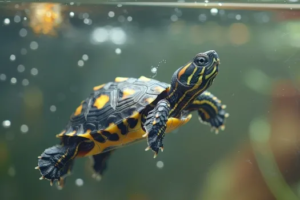
Why Is My Turtle’s Shell Soft, and How to Treat It?
A soft shell is usually normal shedding or, more seriously, calcium deficiency (metabolic bone disease). Improve diet with calcium-rich foods and ensure daily sun or UVB to aid absorption.

Prevention and Treatment of Soft Shell and Shell Rot in Turtles
Soft shell disease and shell rot are both common turtle illnesses. Soft shell disease shows up as an unusually soft shell that may break at a light touch, while shell rot causes the carapace to ulcerate. If you notice these signs, treat the turtle promptly to stop the condition from worsening. This guide covers how to prevent and treat both problems.

Why Vitamin A Matters for Your Pet Turtle
Vitamin A keeps a turtle's epithelial tissue, eyes, skin, respiratory tract, and urinary tract healthy. It improves vision, fights eye and skin disease, aids soft shell recovery, and prevents respiratory and urinary problems. Keep levels adequate through diet and supplements.
My turtle’s bottom shell is lifting up showing white — is it shell rot?
A lifted plastron revealing white tissue is generally shell rot. Caused by poor water quality or infected wounds, it can be fatal if untreated. Dry-dock the turtle, apply iodine and antibiotics; severe cases need oxytetracycline or potassium permanganate baths.
What happens if I keep a turtle without changing the water?
Directly: waste, shed skin, food scraps accumulate, worsening water and causing shell/skin rot, pneumonia, eye disease. Low oxygen and high CO2/gas can suffocate. Poor environment reduces activity, refusal to eat, weight loss, weakness. Change water regularly; if not, install filtration and air pump or use flowing water.
Why does a turtle shed its skin?
Shedding is normal as it grows; old scutes shed for new ones, aiding growth, no worry. But if shedding comes with a white or soft shell, it may be skin disease; take it to a vet promptly.
Two turtles; one’s shell color turned very dark, but it wasn’t before
Swollen limbs in turtles can be from malnutrition, white-eye disease, or trauma. Malnutrition: adjust diet to turtle food plus fruits/veg. Trauma: treat the wound. White-eye disease causing lung infection also swells limbs; treat by cause.