Search Results
16 results for “tube cage”
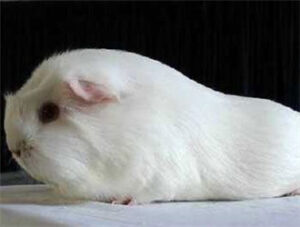
Satin White Crested Guinea Pig
The Satin White Crested Guinea Pig is all snow-white with glossy, smooth fur like satin. It has a crest-like whorl on its head, a very special look.

Common Mistakes in Hamster Care
Common hamster care mistakes: housing hamsters together (they're solitary and will fight or over-breed), putting them in direct sun (heatstroke), bathing them (risky — use bath sand), feeding human food (additives overload them), giving untreated tap water (chlorine poison — boil and cool), using newspaper as bedding (inky, poor), and giving too little space. Read on to raise yours safely.

How to Design a Good Home for a Hamster
Build the cage around your hamster's own habits. Put the toilet where it naturally goes (wild hamsters toilet away from the nest), sized right and made of ceramic or acrylic so it can't be chewed. Keep rest and feeding areas separate, add more toilets if it uses several corners, and put cat litter in the toilet at about 2 cm depth for easy cleaning. Watch for habit changes and clean promptly.

Long-Haired Curly Guinea Pig
The Long-Haired Curly Guinea Pig, also known as the long-curly-haired cavy, is a rare and distinctive guinea pig variety native to Peru and Brazil. With its unique curly long coat and gentle nature, it makes a beloved small pet, though its coat requires regular grooming to prevent matting.

How to Help Your Overweight Hamster Lose Weight
Hamster obesity raises the risk of heart disease, diabetes, arthritis, and fatty liver, cuts mobility, shortens life, and can cause breeding trouble and anxiety. To slim one down, cut portions of fatty foods, add a wheel and climbing toys plus out-of-cage time, limit sugary treats, weigh regularly, and avoid overstimulation that triggers overeating. Severe cases need a vet's tailored plan. Patience is essential; weight loss takes time.

Guinea Pig
The Guinea Pig (Cavia porcellus), also called the cavy, is a gentle South American rodent kept worldwide as a pet. It needs a roomy cage, a bottle, and — unlike many rodents — a diet with added vitamin C: grass hay, guinea-pig pellets, and fresh vegetables. Its teeth grow for life, so fibrous food is essential.
- « Previous
- 1
- 2