Search Results
85 results for “trust training”
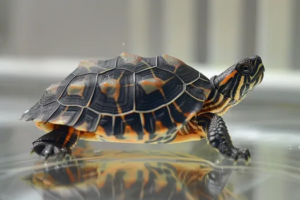
What to Do If Your Turtle Is Timid and Afraid of People (Training Tips)
A big joy of pet keeping is interaction, but some turtles are so timid they hide in a corner at the slightest approach, retracting head and limbs the moment you hold them. What can you do? Here is how to train a turtle that fears people.
Common Mistakes in Dog Training
Raising an obedient dog depends on steady training, but many owners fall into habits that actually slow progress. A common mistake is waiting until a puppy is older, yet dogs mature fast and the window around three months, when they absorb and mimic readily, is prime learning time. Hitting or scolding is another trap: it breeds fear and resistance and can even trigger aggression, whereas rewards and praise build trust. Changing commands and hand signals mid-training only confuses the dog, so keep each cue consistent. Long, exhausting sessions backfire too, so keep training to 15 to 20 minute blocks in a relaxed mood. Finally, skipping socialization, the practice of meeting people, places, and other animals, leaves dogs timid or reactive. Patient, consistent, positive training paired with good nutrition is what truly shapes a well-behaved companion.
Training Your Cat to Understand ‘No’
Living with a cat, teaching a stop command matters more than teaching tricks—stopping bad behavior in the moment is the priority. Cats don't understand the English word 'No', but they read tone; through repetition they learn a firm word means 'don't'. The method is immediate interruption (within 2 seconds of the act), then reinforcing the lesson by ending play or withholding a treat, never hitting. This guide covers instant correction, consequence feedback, and what to do when a cat ignores or resists you.

What to Do When Your Guinea Pig Won’t Let You Touch It
Guinea pigs are seen as cute, gentle pets. But when still unfamiliar with the owner, a guinea pig may refuse to be touched and can resist or even bite when you try to interact. So what should you do when your guinea pig won't let you handle it?

What to Do When a Dog Eats Everything — and How to Train ‘Leave It’
Dogs are trusting and will take food from strangers, so train refusal early. Have a helper offer food and correct with a leash tug and 'No' (repeat with different helpers), then teach 'leave it' on the ground by rewarding attention with a better treat. Greedy by nature, this training needs daily management and constant vigilance.

What Your Dog’s Different Facial Expressions Mean
A dog's face shows its mood: ears up with a closed mouth means calm, ears forward with a slightly open mouth means curious, ears back and mouth open means affection, while ears back and mouth slightly open signals nervousness. Ears forward with a C-shaped open mouth is a pre-attack warning, and flattened ears with bared teeth mean fear and a readiness to bite.
How to raise a Labrador Retriever puppy well?
Tips: feed high-quality puppy food with enough protein, vitamins, fat, and minerals for growth. Vaccinate timely against serious diseases like distemper, rabies, infectious hepatitis. Labs are very active and need enough exercise and training for physical and mental health. Puppies need attention and love to build trust; spend time interacting.
How to make a Chow Chow obedient?
Build close trust through daily companionship, play, feeding, and training so it relies on you. Teach basic commands like sit, down, and wait, rewarding with food when correct. Chows are sensitive to the owner's mood, so stay positive and keep training enjoyable so they accept instructions more easily.
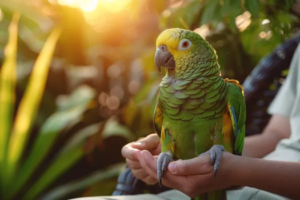
What to Do If a Newly Bought Budgerigar Is Very Afraid of People
Budgerigars are timid and sensitive. Just home and not yet used to the new environment, they may be extra nervous, refusing food and water and scrambling or hitting the cage when someone approaches. Here is how to handle a budgie that is afraid of people.
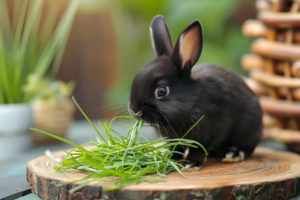
Where Do Rabbits Like (and Dislike) Being Pet?
Rabbits usually enjoy being stroked on the head and back, especially the forehead and ears. They dislike the belly, tail and paws — though it varies by personality. This article looks at a rabbit's petting preferences.