Search Results
725 results for “training dogs”
Bladder and Urethral Stones in Dogs: Symptoms and Treatment
Urinary stones form when minerals crystallize in the bladder or urethra, causing straining, frequent tiny urinations, and blood in the urine. Bladder stones usually need surgical removal; urethral stones are flushed back or taken out surgically. Prevention centers on plenty of water, adequate vitamin A, and a balanced diet rather than an all-meat one.
How Do Dogs Develop Bad Habits
Most dog behavior problems are shaped by the owner, not the dog. Handlers often reinforce bad habits by accident, skip consistent training and exercise, or set rules that change from day to day, while ignoring good behavior that deserves reward.
Things to Keep in Mind When Potty Training Your Dog
Potty training works best when the toilet spot is fixed away from food and bed, you watch for your dog's signals, you clean accidents so the scent does not draw it back, and you reward successes instead of scolding. Never punish a dog for accidents, as that creates toileting anxiety.
Whelping in Dogs: Preparations and Postpartum Care
Whelping carries risks of miscarriage, dystocia, and postpartum infection, so the owner must stay closely involved. Set up a quiet whelping box, let the mother do most of the work, watch for stalled labor, and give her a calm, nutritious recovery.

Which Breeds Make Good Guard Dogs?
Guard dogs are trained to watch the home, police, or patrol, and they share loyalty and high alertness. Solid choices include the Labrador, German Shepherd, Chow Chow, Border Collie, and the Chinese rural dog, each devoted enough to defend its owner.

Why Chocolate Is Deadly to Dogs
Chocolate contains theobromine and caffeine, which dogs metabolize slowly; even a small amount can overwhelm the heart and nervous system. The risk scales with the dog's size and the chocolate's purity, so dark and baking chocolate are the most dangerous.

Why Do Dogs Guard Their Food?
Food guarding usually stems from owners over-indulging the dog so it thinks it runs the house. Fix it by teaching that you control the food, feeding on a timer to build a sense of scarcity, and asking for a calm obey before each meal.
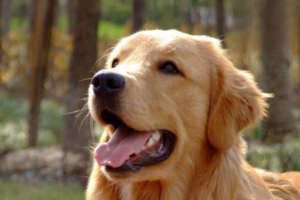
Fun Facts About Dogs You Might Not Know
Dogs sleep 10–15 hours (puppies ~20), run a 37.5–39°C temperature by size, live about 12 years, and have 42 teeth with 5 front and 4 hind toes. They're red-green colorblind, smell far better than they taste, and can feel anxiety and depression when neglected.
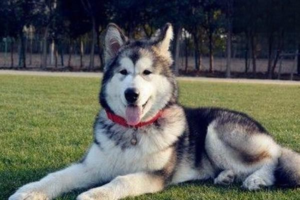
Why Do Dogs Love Plastic Bottles — and Should They Have Them?
Dogs are drawn to plastic bottles because the crinkle triggers a chewing instinct rooted in puppyhood, but a bottle is not a safe toy — chewed fragments can cut the mouth. Supervise closely, remove the cap, and offer a crinkle-sound dog toy instead; strong-jawed breeds should barely play with bottles at all.
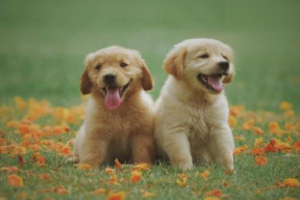
Exercise and Reproductive Care for Dogs on Walks
On walks, use the right leash (a harness for small breeds, a collar for training), avoid hot pavement and tick-heavy brush, build exercise up slowly, and never walk a dog from a bike or scooter. For reproductive care, know the bitch's roughly six-month, two-week heat cycle, keep her leashed to avoid stray mating, and consider neutering around age one to curb roaming and disease.