Search Results
309 results for “train puppy”

How to Crate-Train Your Dog Without Resistance
Crate-train with food: feed in the crate, close the door a few minutes longer each time, and aim for a 10-minute calm stay after eating. Never let a whining dog out until it stops, or it learns whining = release. Use a 'go to your crate' cue with treats, and never use the crate as punishment.

What to Do When a Puppy Won’t Eat
A healthy dog can skip food only so long; refusal usually means pickiness, illness, or gastritis. Fix it with set meal times, more exercise, and regular deworming — and see a vet if fever, vomiting, or diarrhea appear.

Can a Young Puppy Have Rabies?
Puppies under three months carry their mother's antibodies and are unlikely to have rabies, but after that, unvaccinated pups can. Annual shots and avoiding unknown animals are the safeguard.

Practical Feeding Tips for Your Dog
Feeding well means set meal times, quality kibble, and minimal switching. Watch the bowl to gauge portions, and use mealtime for basic training.

What Your Dog’s Waste and Walk Reveal About Its Health
Beyond temperature, pulse, and weight, a walk is the best window into your dog's health — watch its gait, expression, and the color and shape of its urine and stool. Red or dark urine can mean bleeding, cloudy urine an infection, shiny urine crystals, and orange urine jaundice; soft, bloody, or black stool points to digestive trouble. Catch these early and bring a fresh sample to the vet.

How to Use Dog Dental Chews Safely
Dental chews come in three kinds — rawhide or bone rolls (treats that also help the teeth), dedicated chew bones (for cleaning and teething comfort), and rope or plastic toys. Pick the right size and hardness, supervise gnawing so it does not go on too long, avoid dyed chews for white-coated breeds, and replace them regularly so bacteria do not reach the gut and cause diarrhea.
How Much Does It Cost to Own a Dog?
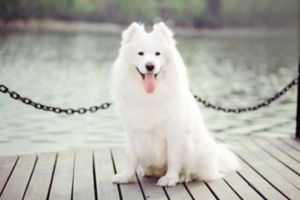
Owning a dog costs far more than the purchase price — routine care for a small-to-medium dog runs roughly $740–$1,325 in the first year and $500–$875 each year after, while a large or giant breed costs more and lives shorter. Budget for veterinary care, vaccines, parasite prevention, food, and basics like a collar, crate, and training, and expect costs to climb with age and any unforeseen illness.

Whelping in Dogs: Preparations and Postpartum Care
Whelping carries risks of miscarriage, dystocia, and postpartum infection, so the owner must stay closely involved. Set up a quiet whelping box, let the mother do most of the work, watch for stalled labor, and give her a calm, nutritious recovery.

Irish Setter Price: How Much One Costs
An Irish Setter puppy (around two months old) typically costs 1,800–4,000 yuan. Behind that price is a noble, red-coated bird dog with a gentle, loyal, tireless temperament — and a reputation as a devoted family companion rather than a mere show piece. They mature slowly and need patient training, but they're far from unintelligent.

Stopping German Shepherd Dog Fights
Shepherd-dog squabbles are usually about rank or food. First tell play from a real fight (blood means war), then separate them once they're fully calm, fix the trigger (enough neutral food), and break it up with a loud noise or water — never your hands. Reward walking away, and train the instigator. Beyond behavior, the German Shepherd is a versatile large breed (60–65 cm, 33–38 kg) whose confidence grows with controlled exposure to new places, people, and sounds.