Search Results
530 results for “toxin”
What to Do When Your Dog Has an Upset Stomach, Vomiting and Diarrhea?
Dogs eat first and think later, so an upset stomach with vomiting and diarrhea is a frequent complaint. The right first step depends on what went in: a suspected toxin is an emergency, while a mildly irritating food can often be managed at home with fasting, fluids, and gut support. This guide explains when to head straight to the clinic, the step-by-step home care that eases symptoms, and the underlying causes—spoiled food, diet changes, or infection—that every owner should rule out, especially in unvaccinated dogs.

What to Do About Kidney Stones in Cats and Dogs
Kidney stones form inside the kidney, common in older cats and dogs and often found during checkups. A stone can drift into the very narrow ureter and block it, trapping urine in the kidney, causing hydronephrosis or nephritis and rapid decline; it can also strain the kidney's internal structures and lead to failure. Surgery exists but usually does more harm than good. The good news: struvite stones can often be dissolved with diet or medication once the type is identified by a urine test.

Dog Bad Breath: What It Might Be Telling You
A few minutes with your dog and you may notice bad breath—which can mean more than odor. Causes range from dental or gum disease (check for tartar and red gums) to kidney disease (breath smells like ammonia from waste buildup), ingested toxins (including rat poison—see a vet fast), diabetes (a sweet, fruity ketoacidosis breath), foreign objects (fishhooks, stickers) or coprophagia, oral tumors (grow fast, may necrose and smell; get checked), and diet (dry vs wet food each has pros and cons). Brushing often fixes mild cases, but a serious underlying cause needs professional treatment.

Can Hamsters Eat Vegetable Leaves?
Vegetable leaves add water and help hamsters cool off in summer, but only in moderation and always washed and dried, since excess moisture causes diarrhea. A few servings a week aid digestion and prevent constipation, with grains as the staple and millet or mealworms for balance. Hardy foods also help wear teeth. Avoid spicy vegetables like chili, onion, garlic, and leek, and never human leftovers or wilted, refrigerated greens, which can harbor bacteria and toxins.

Ten Foods That Are Toxic to Cats
Cats are curious eaters, and many common human foods are dangerous for them. This list covers ten items to keep away from your cat: grapes and raisins (kidney failure), chocolate (a toxin that hits the digestive system, nerves, and heart), caffeine, too much organ meat (calcium deficiency and mobility problems), tomato leaves and stems, mosquito-coil liquid (a surprising summer respiratory hazard), fish bones (choking and perforation), onions and leeks (red-blood-cell destruction), persimmon seeds (blockage and enteritis), and raw seafood (vitamin B deficiency and hind-leg paralysis). Knowing these helps you prevent accidental poisoning.

What Are the Symptoms of Epilepsy in Dogs?
Epilepsy is a condition marked by repeated seizures that can range from brief, mild episodes to severe ones that last a long time and recur often. Because seizures take many forms and can be triggered by a wide range of underlying diseases, spotting the four key signs helps dog owners respond correctly. A seizure may be generalized, causing a dog to collapse and paddle with no awareness of its surroundings, or focal, affecting only one part of the body. Dogs often show subtle restlessness beforehand, and may seem confused and unsteady afterward. Many illnesses can cause seizures, so a vet must rule out each one. Most seizures are not immediately dangerous, but any episode lasting over five minutes needs emergency care.
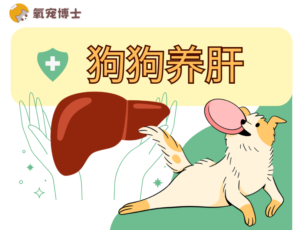
Foods That Support Your Dog’s Liver
The liver filters toxins, stores nutrients, and makes bile, yet it stays silent until heavily damaged—so daily support matters. Quality protein, cruciferous vegetables, and berries aid detoxification, while milk thistle, dandelion root, and omega-3s protect cells. Just as vital is what to skip: fatty foods, toxic items like chocolate, onion, and grapes, and human medicines that strain or poison the liver. Keep water flowing and weight healthy.
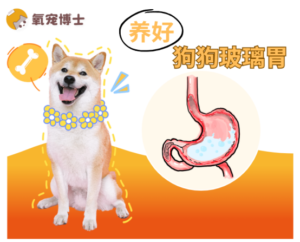
How to Care for a Dog with a Sensitive Stomach
A weak gut hurts more than digestion—it drags down nutrient uptake and immunity. Causes range from sudden diet changes and parasites to infection, chronic gut disease, and stress. The fix is a gentle, single-source diet on a fixed schedule, a careful transition to new food, light toppers like pumpkin or boiled chicken, and pet probiotics. Keep the belly warm and add gentle exercise; see a vet for persistent vomiting, blood, or lethargy.

Why Is Your Dog Suddenly Drooling a Lot? 4 Causes to Watch
Dogs pant to cool off, so some drool on a hot day is normal. But sudden, heavy salivation in normal temperatures can signal trouble. The causes worth flagging are oral disease, poisoning, heatstroke, and neurological problems, with severe kidney or liver disease and even rabies as grave possibilities. Teething, car sickness, or excitement explain milder cases. When drooling pairs with collapsing, seizures, or suspected toxin exposure, head to the vet at once.

Why Is Your Dog’s Gum Pale? Don’t Ignore It—It Could Signal These Illnesses
A healthy dog's gums are pink and refill quickly after a light press. Pale or whitish gums often mean the body isn't getting enough oxygen—usually because of anemia or an underlying chronic disease. The causes range from nutritional and blood-loss anemia to kidney or liver problems and infections. Because pale gums can point to something serious, they deserve a prompt check rather than guessing at home.