Search Results
530 results for “toxin”

Why Does Your Cat Eat but Stay Thin? (Worms and More)
A cat that eats well but stays thin is often fighting intestinal parasites—roundworms, tapeworms, hookworms, giardia, or coccidia—that steal nutrients and release toxins interfering with digestion, causing slow or lost weight, anemia, and poor growth. Tell-tale signs include soft stools, rice-like segments near the anus, scooting, pale gums, and a swollen belly. But worms are not the only cause: poor absorption, hyperthyroidism or diabetes, repeated heat cycles, or a low-protein diet can also keep a cat lean. The fix is a tailored deworming plan plus gut probiotics and high-protein meals; spaying helps if heat is the driver. See a vet if weight keeps dropping.

Why Cats Develop Uremia (and How to Prevent It)
Uremia occurs when kidney damage stops a cat from clearing waste and toxins, which then build up and harm the body. Causes include age-related decline, unbalanced nutrition, and low water intake, while other illnesses can also damage the kidneys. Watch for changes in urination frequency and volume, dark or cloudy urine, and appetite loss, weight drop, vomiting, or dehydration. Prevention centers on high-quality food, plenty of fresh water, a clean environment, and regular checkups and vaccinations; treatment involves medication, fluid therapy, and nutritional support.
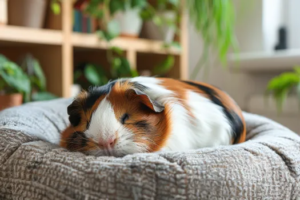
What to Do After a Hamster Bite
If a hamster bites you, wash the wound at once with warm water or saline, then disinfect with iodine. Stop any bleeding with clean gauze, and for a deep or large wound seek medical care and a tetanus shot. Pet hamsters rarely carry rabies, but a rabies vaccine is the safest precaution. To avoid bites, don't grab a hamster while it eats, sleeps, is pregnant, or when your hands smell of food—let it know you are there first.
Cat Food Ingredients to Avoid, No Matter How Cheap
Not all cat food is created equal, and the ingredient list is the single most reliable way to judge quality. Some products hide preservatives, flavor enhancers, and fillers that can harm your cat over time — from potential carcinogens like BHA, BHT, ethoxyquin, and TBHQ to appetite stimulants such as MSG and pyrophosphate. Other risky additives include propylene glycol, nitrites, synthetic vitamin K3, and thickening gums, while artificial colors and sweeteners add sugar and nothing of value. Because cats are obligate carnivores, diets overloaded with corn, wheat, or soy not only lack nutrition but may trigger allergies and even aflatoxin exposure. Learning to read the label helps you protect your cat from low-grade food, no matter how attractive the price.

Foods You Should Never Feed Your Cat
Cat food is the safer choice over table scraps because it is balanced for a cat's needs, while homemade meals are hard to get nutritionally right. Some human foods are downright dangerous for cats. Allium vegetables - onion, scallion, garlic, leek - cause vomiting, diarrhea, anemia, and bloody urine, and the toxins survive cooking; avocado brings similar dangers and can be fatal. Chocolate causes diarrhea and vomiting and, in quantity, sudden death. Raw eggs can trigger diarrhea, skin, and eye problems (cooked is fine); shellfish can cause skin disease; and dog food lacks taurine, so long-term feeding leads to taurine deficiency. Milk and fish are okay in small amounts, but go easy on high-magnesium dried seafood to avoid stones.

Symptoms of Canine Leptospirosis
Leptospirosis is a serious dog disease caused by Leptospira bacteria - also called infectious jaundice or hemorrhagic jaundice - that spreads through skin, mucus membranes, and contaminated food or water, often peaking in summer and early autumn. Two forms stand out: one brings sudden fever, vomiting, dark bile-colored urine, yellow gums, and bleeding, while the other causes vomiting and bloody diarrhea with mouth ulcers and a death rate of 60-80 percent in acute cases. Diagnosis uses microscopy, culture, and blood tests, and treatment pairs antibiotics with liver and fluid support. Clean housing, rodent control, quarantine, and the two-type vaccine are the key preventives.

What Is Canine Botulism
Canine botulism is an acute, often fatal poisoning that occurs when a dog eats the toxin produced by Clostridium botulinum - usually in rotting carcasses or contaminated food and water. It mostly strikes in summer, with signs appearing just hours later. The classic picture is a progressive, symmetrical paralysis that creeps from the hind legs forward while the dog stays alert with a normal temperature; severe cases end in breathing failure. Diagnosis depends on finding the toxin in food, tissue, or blood, and treatment combines antitoxin with washing out the gut. The simplest defense is never feeding spoiled meat and boiling feed before use.

Why Your Dog’s Urine Is Dark
Normal dog urine is pale yellow. Dark urine is a sign that something is mixing into it, usually bile pigments, blood, or other material, and it often points to a real problem. The causes range from liver and kidney disease to infection and certain toxins, though a few are harmless.

Why Is Your Dog Having Diarrhea
A healthy dog passes formed stool three to four times a day. More frequent, soft, watery, mucus-laced, or bloody stool is diarrhea, a sign of illness rather than a normal variation. Clinically it is split into acute (sudden) and chronic (long-lasting) forms, each with its own common causes.

Why Is Your Dog Vomiting
Vomiting is one of the most common signs in dogs and can point to many conditions, from a harmless upset to a blockage. Repeated or severe vomiting causes dehydration and electrolyte loss and can be life-threatening, while long-term vomiting harms growth and health. Knowing the common triggers helps you decide when to call the vet.