Search Results
530 results for “toxin”

Yellow-naped Amazon
The Yellow-naped Amazon is a parrot with outstanding talking ability; with proper training it can be truly astonishing. However, although it talks well, it can also be very noisy, so before keeping one you must be sure it will not disturb you or those around you. Of course, it has quiet moments too - for example, wild Yellow-naped Amazons are very quiet while foraging.

Slow Loris
The Slow Loris (Loris tardigradus) is a small prosimian of the family Lorisidae and genus Loris. It is nocturnal, moves slowly, and prefers to rest atop tree branches. In recent years, due to habitat destruction, hunting for use in traditional medicine, overhunting, and its own biological traits, it is on the brink of extinction.

Is It Necessary to Bathe a Hamster
Normally you don't need to bathe a hamster — they self-clean with dust bath sand and can die from water baths. Bathe only when fur is contaminated with toxins or sticky matter. The step-by-step method uses near-room-temperature water, unscented pet shampoo, gentle wiping away from the face, and a warm, dry recovery.

How to Bathe a Hamster
Normal hamsters don't need baths — water strips their natural oils and risks their health. Odor usually means a dirty cage (clean it weekly) or, occasionally, a female in heat. Use dust bath sand for routine cleaning; only use water for dangerous contaminants like toxins or sticky substances, following a careful step-by-step method.

Highly Toxic Plants for Cats
Many common houseplants are deadly to cats — lily, azalea, sago palm, and cyclamen among them — causing kidney failure, heart problems, or death even in small amounts. Keep these plants out of any home with a cat.

What Are the Dangers If a Cat Eats a Cockroach?
Cats may hunt cockroaches, but eating them risks parasite and bacterial infection, mouth and stomach irritation from the hard exoskeleton, and poisoning if the roach carried insecticide. Watch for vomiting, diarrhea, drooling, or seizures and see a vet if they appear.

Why Do Dogs Get Lipomas?
Slowed metabolism and poor diet are the main drivers of dog lipomas, common in obese older dogs. Most are benign and need no treatment unless growing fast or infiltrative, when surgery is used. Prevent with a balanced low-fat high-fiber high-protein diet, keeping toxins away, and a healthy weight via exercise and checkups.

How to Maintain Your Cat’s Dental Health
Tartar and gingivitis are common feline dental problems, usually caused by owners feeding too much soft food and skipping regular teeth cleaning. This article shares practical methods and tips to keep a cat's teeth healthy.
Why Is My Cat Licking Its Lips?
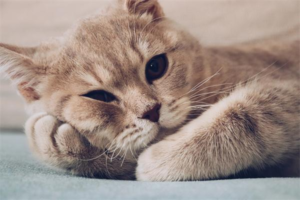
A cat licking its lips may just be grooming after a meal, but it can also signal stress, mouth pain, nausea, dry mouth, or an upper respiratory problem. Watch for drooling, bad breath, or frequent licking, and see a vet if anything seems off.

Preventing and Treating Yellow-Urine Disease in Baby Rabbits
Yellow-urine disease is acute enteritis in nursing kits under 7 days old, caused by Staphylococcus toxins from a mother's mastitis passed through her milk; signs include yellow watery stools, weakness, and a fishy smell. Prevent it with a clean dry nest, managed milk flow in the doe, and early mastitis treatment, and treat affected kits with gentamicin drops.