Search Results
530 results for “toxin”

Warning: These Foods Are Toxic to Rabbits!
Frozen, fried, and cooked foods cannot be given to rabbits. A rabbit's diet should be mainly hay and rabbit pellets, supplemented with some fruits and vegetables. There are many foods that rabbits cannot eat, and eating them may cause a series of diseases. Today we tell you about the foods that cannot be fed to rabbits, hoping to help you ensure your rabbit's dietary safety.

Rabbit Vesicular Stomatitis
The vesicular stomatitis virus causes rabbit vesicular stomatitis, living in sick rabbits' saliva and necrotic oral tissue; just-weaned kits are most at risk. Incubation is 5 to 7 days. Signs: red mucous membranes, vesicles on lips, tongue, and palate that become pustules then ulcers with heavy drooling; secondary bacteria cause foul necrosis. Mortality exceeds 50%. Differentiate from chemical or mold-induced stomatitis, which is not contagious.

Gastroenteritis in Dogs and Cats: Types, Symptoms & Medication
Gastroenteritis in dogs and cats spans gastritis (acute/chronic) and enteritis (viral, bacterial, parasitic). This guide covers causes, symptoms, and the medication approach—anti-inflammatories, anti-vomiting, anti-diarrhea, dewormers, probiotics—plus prevention.

Rabbit Loss of Appetite: Could It Be Intestinal Obstruction?
When a rabbit won't eat, intestinal obstruction is a serious possibility among many gut causes. This article explains obstruction triggers, how to tell it apart from simple stress, and the care steps (massage, water, vet tests) to take.

Common Causes of Shivering in Cats and Dogs and How to Manage Them
Shivering is body trembling from cold, emotion, disease, or weakness—common in pets, and seizures include it. Causes range from simple cold to poisoning or infection; this article reviews them.

Medications and Care for Common Pet Injuries: Fractures, Sprains, Burns, and Wound Infections
Pets can suffer fractures, sprains, burns, bee stings, snake bites, and wound infections, especially outdoors. Prompt first aid prevents infection and permanent damage. This article covers causes, symptoms, and the medications for each.

Common Food and Drug Poisoning in Cats and Dogs: Symptoms and Treatment
Poisoning in pets is uncommon but dangerous. It falls into food poisoning (bacterial, fungal, toxic plants, chemicals, and human foods like onions, chocolate, macadamia) and drug poisoning (aspirin, ibuprofen, acetaminophen, vitamin D, ivermectin). This article covers the symptoms and what to do.

What to Do When a Dog Sheds Fur and the Skin Ulcerates
Shedding is common, but if the skin underneath is ulcerated the owner should take it seriously — it likely points to a skin disease. Learn the causes of fur loss with skin ulcers in dogs and how to treat them.

Rabbit Clostridium Perfringens Enterotoxemia (Sudden Severe Diarrhea)
Rabbit Clostridium perfingens disease is an acute, fatal enterotoxemia from the bacterium and its toxin. Sudden severe diarrhea is the main sign. Here is what you need to know.
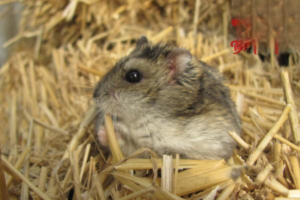
What to Do When a Hamster’s Paw Is Injured
With attention, hamsters rarely get hurt, but accidents happen. If a paw is injured, treat it promptly. Here is what to do.