Search Results
20 results for “toxic foods for pets”

Cat and Dog Diet: Taboos and Nutritional Supplements
Cats and dogs can eat many human foods but easily get sick from wrong ones. Learn which fruits and vegetables are safe in moderation, which are dangerous, and which supplements help, always weighted against gut health.

French Bulldog
The French Bulldog is a small-to-medium, muscular, and compact companion dog from France with a lively, curious personality. Affectionate and quiet, it is well suited to apartment living and family life.

Can Dogs Eat Leftovers?
Dogs can eat some leftovers, but with rules: never spoiled food, only dog-safe items, and no additives or heavy seasoning - keep it plain. A dog's digestion differs from ours, so not all human food fits. Feed scientifically to protect its health.

Bringing Home a 2–6 Month Old Puppy or Kitten: A Complete Care Checklist
A new 2–6 month old puppy or kitten is fragile, and mistakes in the first weeks—too much handling, wrong food, missed vaccines—can cause stress, illness, or worse. Start by letting the pet settle alone for 1–2 hours before gentle interaction; keep the same food it had before (soak kibble if needed) and feed 3–4 small meals a day. Watch the first week closely, since transport can expose them to panleukopenia, cat flu, distemper, or parvovirus on top of stress. The vaccine and deworm timeline matters: deworm first, wait at least 7 days, then vaccinate (dog multivalent from ~45 days, three shots 21 days apart, rabies at 3 months; cat FVRCP from 2 months, three shots 28 days apart, then rabies). Don’t bathe, delay outings until vaccinated, and never feed toxic people foods like grapes, chocolate, coffee, or avocado.

100 Essential Tips Every New Cat Owner Should Know
Bringing home a first kitten is exciting but daunting, and poor care can hurt both of you. These 100 essentials cover diet (life-stage food, toxic grapes/chocolate/onion/garlic, no bones or raw meat, fresh water), daily care (brushing, nail and ear cleaning, litter hygiene, n+1 boxes), health (vaccines at 8–12 weeks, deworming, normal temperature 38–39.2°C, spay/neuter, no human meds), behavior (slow blinks, tail talk, no punishment), and home safety (screens, hiding wires, toxic plants, no smoke). Read them once and you'll share a calmer, healthier life with your cat.

How to Choose the Right Snacks for Your Chinchilla
The right snacks are key to a chinchilla's health and happiness. Chinchillas are omnivores that enjoy dried fruit, nuts, vegetables, and fruit, but some foods—chocolate, onion, caffeine—are toxic and must be avoided. Choose high-quality, additive-free, natural snacks; keep portions small to prevent obesity; vary the types to hold interest; respect individual texture preferences; and stop any food that triggers vomiting or diarrhea. Snacks also double as bonding tools during gentle play.

Why Human Food Is Bad for Cats and Dogs
Many foods that are fine for people can harm pets. Even a small amount of some items causes poisoning, and the seasonings and additives in human food put real strain on a cat or dog's kidneys. Over time this undermines health. Feeding people food also unbalances nutrition, adds excess salt and calories, and can make a pet refuse its own balanced diet. Cats in particular have a unique metabolism and need species-specific nutrition.

What to Do When Your Pet Swallows a Foreign Object
Chewing on household items is natural for cats and dogs, but what starts as play can end with something swallowed by accident. Some objects are merely harmless, while others can damage health or even be life-threatening. If your pet ingests something dangerous, get to a veterinary clinic at once — never try to induce vomiting at home. Knowing which foods and objects are toxic, and calling the vet with clear details, can make all the difference.
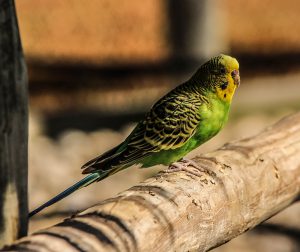
Budgerigar
The budgerigar (Melopsittacus undulatus) is one of the most common parrots worldwide and a favorite first bird for many homes. Though its call is unremarkable, its beautiful, varied plumage and easy care make it beloved; with good keeping it can live 10 to 20 years.

Onion Poisoning (Heinz Body Anaemia) in Dogs and Cats
Onions and related alliums oxidise red blood cells in dogs and cats, forming Heinz bodies and causing haemolytic anaemia with red-brown urine. Mild cases recover once onions are stopped; severe cases need transfusion.
- « Previous
- 1
- 2