Search Results
55 results for “toxic foods cats”

What Foods Are Toxic to Cats?
Keep cats away from alliums, chocolate, caffeine, raw fish/shellfish, raw pork, bones, and milk—these cause anemia, poisoning, B1 deficiency, or gut injury. Toxic plants include lilies, tulips, and aloe. A cat's gut is delicate; don't indulge begging.

Human Foods That Are Absolutely Toxic to Cats
Never feed cats chocolate, onions/garlic, grapes/raisins, or anything with caffeine, xylitol, or alcohol — all can be fatal even in small amounts. Most adult cats are also lactose-intolerant, so skip milk and dairy, and avoid high-salt, high-sugar, and high-fat table scraps that strain the kidneys, pancreas, and metabolism. Always check whether a food is cat-safe before sharing.

Ten Foods That Are Toxic to Cats
Cats are curious eaters, and many common human foods are dangerous for them. This list covers ten items to keep away from your cat: grapes and raisins (kidney failure), chocolate (a toxin that hits the digestive system, nerves, and heart), caffeine, too much organ meat (calcium deficiency and mobility problems), tomato leaves and stems, mosquito-coil liquid (a surprising summer respiratory hazard), fish bones (choking and perforation), onions and leeks (red-blood-cell destruction), persimmon seeds (blockage and enteritis), and raw seafood (vitamin B deficiency and hind-leg paralysis). Knowing these helps you prevent accidental poisoning.
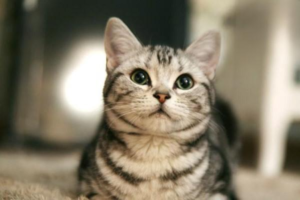
Foods That Are Toxic to Cats
Unlike dogs, many things people can eat harm cats. Some seasonings also burden a cat's body.

Pet Vomiting (Part 3): Vomiting from Internal Parasites and Toxicity in Dogs and Cats
Internal parasites living in a dog or cat's gut irritate the intestinal lining and trigger vomiting, sometimes expelling visible worms. Food poisoning causes far more violent vomiting along with seizures and drooling, and demands immediate induced vomiting and gastric lavage. Routine deworming and keeping toxic foods — onions, grapes, chocolate, macadamia nuts — out of reach are the best defenses.

Why Cats Foam at the Mouth and How to Treat It
Foaming at the mouth in cats often comes from excess stomach acid, unsuitable or excessive food, poisoning (lilies, acetaminophen), or stress. Treatment depends on the cause — fasting and antibiotics for gastritis, smaller fiber-rich meals for food issues, immediate vet care for poisoning, and a gentle transition for stress.

The Dangers of Feeding Raw Meat to Cats
Domestic cats no longer match their wild ancestors, and raw meat carries bacteria and parasites that threaten both cat and owner. Beyond raw meat, milk, shellfish, raw eggs, and excess liver are common foods that can sicken a cat.

How to Feed a Kitten: Schedule, Diet, and Foods to Avoid
Kittens need frequent small meals of quality kitten food — at least three a day under six months — with fixed times and a clean, quiet spot to eat. Never give cow's milk (most cats are lactose intolerant), cooked bones, chocolate, grapes, onions, or raw meat and eggs; switch to adult food gradually over 5 to 7 days around the first birthday.

Foods Cats Can and Cannot Eat
Cats beg for human food, but several common items are toxic — avocado, onions and other alliums, and chocolate or caffeine can cause anything from anemia to fatal poisoning. Safe choices include carrot, cucumber, broccoli, certain fruits, salmon, and chicken breast, which add fiber, vitamins, and quality protein to a meat-based diet.

Vitamin B Deficiency and Toxicity in Cats
Cats need B vitamins, but the margin matters: too little brings dry coat, weakness, and spasms, while too much — usually from loading up on liver or human supplements — causes gum disease, stiff neck, poor bone growth, and dull coat. Skip human vitamins and liver-heavy diets; if toxicity appears, cut the source and rebalance with vet-guided fluids and calcium.