Search Results
15 results for “topical spot-on”
What to Keep in Mind When Using Topical Flea and Tick Treatment on Cats
Cats can pick up external parasites at any time of year, so regular preventive treatment matters. Topical products come as sprays or spot-on drops, and their coverage depends on the active ingredient, so the right choice depends on your cat's lifestyle and the parasites it faces. Apply spots along the spine, dose by weight, avoid bathing for a few days, and use an Elizabethan collar to prevent licking. Kittens can start around two months old with monthly treatment; adults need it every one to three months, more often in warm seasons or for outdoor cats. Never use dog-only products containing permethrin on cats.

How to Kill Fleas on Your Cat
Fleas are tiny jumping parasites that irritate the skin and spread illness. For light infestations a topical spot-on treatment works; for larger ones a vet-approved external parasite product plus an Elizabethan collar prevents poisoning. Regular deworming and a clean home stop them returning.

How to Get Rid of Fleas on Your Cat Fast
The fastest fix for cat fleas is a topical spot-on treatment, but combing, medicated baths, and a clean home all help. Treat the environment too, or fleas simply return within days.
Are Combined Flea-and-Worm Treatments Right for Your Dog?
Combined spot-on treatments protect against many internal and external parasites in one dose, which is why they are a top choice for busy owners. But they are not universal—many don't cover ticks or tapeworms, and timing matters. This guide explains how they work, how to match the active ingredients to your dog's risks, and how often to dose.
How good are Xinchong Zhikang deworming tablets?
Xinchong Zhikang tablets use praziquantel to kill tapeworms and flukes; safe and cheap but narrow-spectrum, so rotate with broader dewormers.
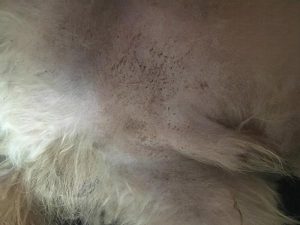
What to Use for a Dog With Itchy Red Dots
Widespread red dots with itching usually mean a parasitic skin disease that needs prompt care. Clip the fur, apply antifungal spray and ointment, then keep up external parasite control to stop it returning.

What to Do When Your Dog Has Ringworm on Its Face
Ringworm on a dog's face causes hair loss, itching, bumps, scabs, and redness, and spreads to other pets — isolate and collar the dog first. Disinfect, clip and treat the spot with antifungal spray and ointment, and add nutrition and parasite control.
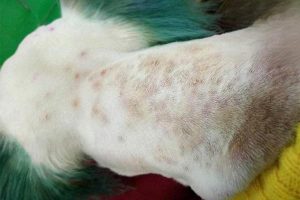
What to Do When a Two-Month-Old Puppy Has Skin Disease
A two-month-old puppy with skin disease needs prompt care — low immunity and contact with infected dogs are the usual causes. Tell fungal from parasitic types, then treat with antifungal spray and ointment and follow up with parasite control.

Simple Tips to Prevent Ringworm in Cats
Ringworm in cats comes from four sources — fungal, bacterial, allergic, or parasitic — and prevention starts with each. Weekly cleaning, avoiding allergens, and regular flea control keep your cat's skin healthy.
How to Choose a Combined Parasite Treatment for Your Cat
Even indoor cats catch parasites—fleas, ear mites, roundworms, and mosquito-borne heartworm all reach them. Combined spot-ons treat inside and out in one dose without pills, which is why they are the top choice for house cats. The real question isn't 'which brand' but 'which active ingredients fit your cat's risks.' Here is the science, minus the marketing.