Search Results
14 results for “tissue necrosis”
My kitten’s left paw is black, like a blood blister, and has no fur — what is it?
Based on your description, the preliminary judgment is tissue necrosis or a congenital deformity in the kitten. Necrosis may be caused by pressure during birth or compression in the abdomen/uterus; the dead tissue will gradually slough off but may cause disability. A congenital deformity cannot be cured. Because the photo is blurry, only a preliminary diagnosis is possible; take the kitten to a vet for further examination.

Siamese Cobra
The Siamese cobra (Naja siamensis), also called the Indochinese spitting cobra, is a highly venomous elapid from mainland Southeast Asia. It defends by spitting venom up to 3 metres and can blind — it is not a casual pet.

Paraphimosis in Dogs and Cats
Paraphimosis is the inability to retract the penis back into the prepuce, which can lead to swelling, impaired circulation, and, in severe cases, penile necrosis. Prompt veterinary care is needed to reduce the penis and treat the underlying cause.
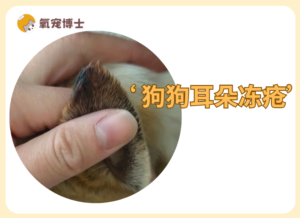
‘Northern Dog’ Special: How to Treat Frostbite on Your Dog’s Ears
Move a dog with frostbitten ears indoors at once and wrap the body in a blanket (protect core temperature) to stop further cooling. Then apply a towel soaked in 37–38°C water to the ear for 10–15 minutes, repeat after a 5-minute gap, until the ear warms. Don't use a hot water bottle or hairdryer — too much temperature contrast worsens tissue damage. After rewarming, pat dry with sterile gauze and apply a pet moisturizing repair balm (beeswax or shea best), and use an Elizabethan collar or breathable wrap to stop scratching.
What Is Canine Hemangiosarcoma
Hemangiosarcoma is a malignant tumor that arises from the cells lining a dog's blood vessels. It grows fast, invades deeply, and often spreads to the lungs and liver before it is noticed. Middle-aged and older dogs are most at risk, with some breeds more prone than others. Knowing the signs and the guarded prognosis helps owners make timely decisions.

Can Water Mold Disease in Turtles Be Avoided? (Causes & Prevention)
Water mold disease is preventable. Although Saprolegnia is widespread in water, its presence alone does not cause the disease—infection requires a wound. A healthy, uninjured turtle will not get water mold, so the key is good husbandry: smooth enclosures, regular sunlight, balanced nutrition, and clean water. Early signs include gray-white spots and white fuzzy growths on the skin and shell; untreated, the disease progresses to swelling, ulcers, appetite loss, and death.

What to Do If Your Cat or Dog Swallows a String
String-like objects — toy strings, packing twine, sewing thread, and yarn — are among the most dangerous things a pet can swallow. They are hard to diagnose because they hide deep in the gut, hard to treat because pulling them out can tear the stomach or intestines, and they can easily cause deadly necrosis, perforation, or damage to nearby organs such as the liver and pancreas. Prevention is simple but vital: keep every string-like item well out of reach of your curious cat or dog.

Transmissible Venereal Tumors in Dogs and Cats
Transmissible venereal tumor is a contagious cancer spread between dogs through mating or close contact, destroying the external genitals and nearby mucosa. It appears as a friable, cauliflower-like mass that may bleed and ulcerate. Surgery, freezing, or anti-cancer medication can clear it.

Tendon Rupture in Dogs and Cats: Symptoms, Treatment, and Prevention
Tendon rupture is a break in the continuity of a tendon, most often a flexor or the Achilles, from sudden overstretching, bone disease, or a cutting wound. It causes a flaccid, painful gap with loss of function - a flexor rupture stops weight-bearing, an Achilles rupture drops the hock. Closed tears are rested; open tears need surgical repair.

Selenium Metabolism Disorders in Dogs and Cats: Deficiency (White Muscle Disease) and Toxicity
Selenium is an essential trace mineral that supports antioxidant defence and immune function in dogs and cats. Both too little and too much are harmful: deficiency causes nutritional myodegeneration (white muscle disease) affecting skeletal and heart muscle, while excess produces acute and chronic poisoning.