Search Results
1093 results for “tick”

Preparing to Bring a Dog Home
A new dog, especially a puppy, stresses easily in a strange home, so prep the house first: put away breakables and hazards, and block any escape holes. Carry it with one hand under the chest and the other under the rump, let it rest before exploring, soothe night crying with a covered crate or a ticking clock, and confine a puppy in a roomy ventilated cage when alone.

Symptoms and Treatment of Seborrheic Dermatitis in Dogs
Canine seborrheic dermatitis is linked to genetics, hormonal imbalance, nutritional deficiency and skin infection. Affected dogs often give off a distinct odor along with hair loss, mild itch, and greasy yellow buildup on the skin. This article explains the symptoms, causes and treatment.

Common Parrot Eye Diseases and Treatment
Parrots commonly face keratitis, conjunctivitis, and cataracts. Keratitis ranges from surface scratches (tearing, light sensitivity) to deep or penetrating wounds threatening sight, treated by removing debris and antibiotic drops in dim light. Conjunctivitis from injury, vitamin lack, or infection needs boric-acid rinses and chloramphenicol; cataracts need surgery, so prevent with good hygiene and peace.

First Aid for Common Dog Injuries at Home
At-home first aid for dogs covers scrapes, bites, burns, fractures, and sprains. Clean small scrapes with iodine, control bleeding and disinfect larger wounds, flush burns with cool water, immobilize fractures and rush to the clinic, and ice sprains then rest. Always use an Elizabethan collar and update the rabies vaccine after bites.
Preventing and Treating Rabbit Paratyphoid (Salmonellosis)
Rabbit paratyphoid (salmonellosis) is a zoonotic infection spread by contaminated feed and water, rodents, and flies; signs range from sudden death to diarrhea, wasting, and abortion in pregnant does. Control it by excluding vectors and vaccinating does, and treat with chloramphenicol, oxytetracycline, streptomycin, or sulfonamides.

4 Common Mistakes When Walking Your Dog
Daily walks help a dog's health, but the wrong approach causes harm. Always use a leash, avoid walking in high heat, keep the dog at your side rather than letting it lead, and limit time in grass and bushes where ticks and parasites lurk. Regular deworming and bathing also protect against external parasites.

Why Do Chinese Li Hua Cats Have a High Abandonment Rate?
The Li Hua (Chinese rural) cat has survived millennia of natural selection — hardy, strong, and disease-resistant, so it should be very popular. Yet its abandonment rate is high, mainly because it is too easy to get. This article explains the reasons.
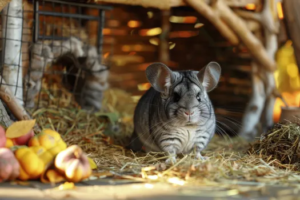
How to Make Your Hamster Friendly and Bond with You
Hamsters are not very smart and are naturally timid, but with patient daily handling they gradually learn to recognize their owner and become affectionate. The key is to let the hamster get used to your scent, win it over with food, build up physical contact slowly, and stay calm and gentle during interaction.

Hamster Feeding: What to Feed and What to Avoid
Hamsters are omnivores that do well on a fortified staple mix, supplemented with small amounts of grains, vegetables, fruit, cooked meat, and insects. Avoid spicy human food, fruit pits, and unboiled water; refresh food daily and keep the cage clean to prevent diarrhea.

Things to Know When Caring for a Scottish Fold
Scottish Folds adapt well but need humidity around 50 to 60 percent, since too much moisture invites skin disease. Their stomachs are also delicate, so stick to one cat food brand. Here are the main points of Scottish Fold care.