Search Results
1093 results for “tick”

Welsh Springer Spaniel
The Welsh Springer Spaniel is an ancient flushing spaniel, mainly found in the U.S., valued as a hardworking gun dog and a moderate-sized, affectionate companion. Its weather-resistant red-and-white coat needs sensible care.

Tibetan Terrier
The Tibetan Terrier, despite its name, is not a true terrier but a companion breed from the monasteries of Tibet, prized for centuries as a lucky bringer. Hardy and affectionate, it needs regular coat care.
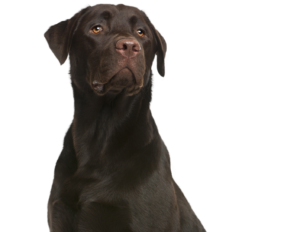
Mexican Hairless
The Mexican Hairless Dog, originating in 16th-century Mexico, is a small companion breed resembling the Chinese Crested. Hairless with spotted pink skin, it is gentle, friendly, and unique, though its bare skin needs special protection.
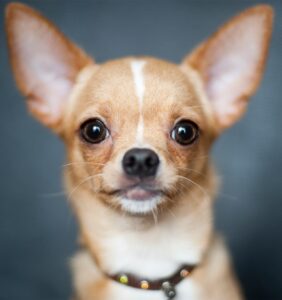
Chihuahua
The Chihuahua is the world's smallest dog, from Mexico, with a saucy expression and tiny stature. Sensitive, suspicious, and deeply devoted to its owner, it is ideal for apartment living but needs warmth and careful care.

Poodle (Caniche)
The Poodle, often groomed in the popular 'Teddy' style, is a smart, low-shedding companion dog that comes in standard, miniature and toy sizes. Lively and affectionate, it is one of the most popular pets.

Pharaoh Hound
The Pharaoh Hound is an ancient Maltese breed prized for its noble looks, amber eyes and keen hunting instinct. Alert, affectionate and playful, it is a gifted rabbit-hunting dog and devoted companion.

Bichon Frise
The Bichon Frise is a small, white powder-puff companion dog with a cheerful, gentle temperament. Originally taken to France in the 1500s, it thrives on human company and regular grooming.
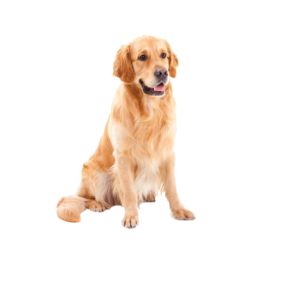
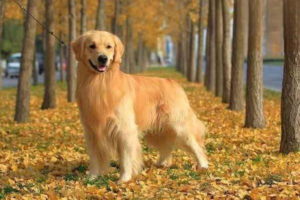
Golden Retriever
The Golden Retriever is a friendly, intelligent and devoted sporting dog originally bred in Scotland to retrieve waterfowl. Highly trainable and gentle, it is one of the most popular family companions and service dogs in the world.
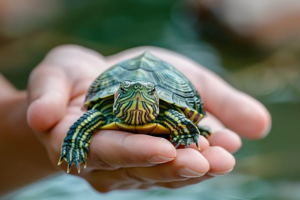
How to Tell Why Your Turtle Is Floating
A turtle can float for normal reasons — a new tank, water too deep, or just preference — not only illness. Abnormal patterns like side-floating, tail-only floating, or floating with lethargy point to pneumonia or enteritis.
Why Does a Dog Destroy the House, and How to Stop It?
Dogs usually wreck the house out of separation anxiety when their trusted person leaves. Fix it by training early, building the dog's own safe space, easing the anxiety with chews, and gradually teaching it to be alone — scolding alone won't work.