Search Results
1093 results for “tick”

Why Does a Hamster Chew the Cage, and What to Do
Hamsters chew cages from new-environment stress, teeth grinding, boredom, or excess energy. Fixes: give adjustment time, provide chew toys, add wheels and toys, and let them out to play daily.
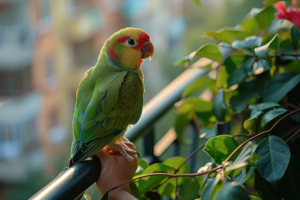
How to Litter-Train a Parrot
Parrots can be taught to poop on command and in one spot, best started young. Use a verbal cue, train after meals when they're about to go, and exploit their love of high perches.
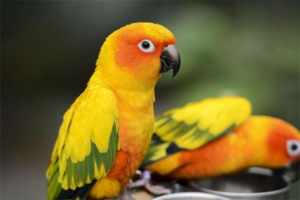
Why Can’t My Parrot Stand, and How to Treat It?
A parrot that can't stand usually has splayed or deformed legs from low vitamin D3 and calcium — congenital (a deficient mother) or from an uneven nest box. Fix the nutrition and, for fractures, splint with foam.
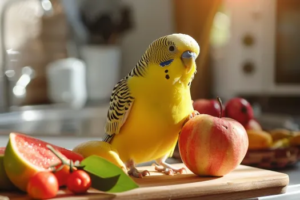
How to Care for a Baby Cockatiel (Hand-Feeding Guide)
Baby cockatiels need formula or soft millet porridge at 38–40°C before weaning, then seed and pellets with weekly fruit, vegetables, and cuttlebone. Keep the brooder at 20–26°C, clean the cage often, and discard old food and water daily to prevent diarrhea.
My Dog Has a Pink Fleshy Bump Near Its Eyebrow (Under Conservative Care); Recently a Soft Swelling Appeared Next to It—What Is It and Can It Be Treated Conservatively?
The photo suggests a blood-engorged tick—numb with alcohol, remove with tweezers, then deworm externally. If not a tick, it may be a tumor needing a vet to determine its nature.
My dog is passing white, watery, mucus-like stool
White, sticky, watery stool in dogs may be from abdominal chilling, food intolerance, indigestion, intestinal parasites, or food allergy. Keep the abdomen warm and give warm water for chilling; adjust the diet for intolerance. Treatment varies by cause.
Is this a bug?
The photo shows a tick on the dog. Use a fipronil topical spot-on so the tick detaches, or dab alcohol, then pull it straight out with tweezers and disinfect. Clear environment parasites to avoid reinfection.
How do I deal with a puppy’s tartar?
Puppy tartar is removed by regular brushing, ultrasonic scaling, and dental sticks. Brushing 2-3 times a week with dog paste greatly reduces buildup; severe cases need vet ultrasonic scaling. Brush regularly and give dental sticks.
How to handle dog tartar?
Mild: brush, plus powder/mouthwash to clear debris and prevent. Offer chew sticks. Severe: ultrasound cleaning at a vet.
How to remove dog tartar?
Early tartar: brush often. Formed tartar: ultrasound cleaning at a vet. Strengthen daily cleaning, brush daily, give chew sticks.