Search Results
1093 results for “tick”

How to Choose a Parasite Treatment: Internal, External, and Combined
Parasites threaten every pet, even indoor ones, and choosing among internal, external, and combined treatments is where new owners get stuck. This guide lists the common parasites cats and dogs face, explains the three product categories and their typical active ingredients, and answers beginner questions—why deworm even with no visible bugs, where to apply drops, when bathing is safe, and whether imports are always better. The takeaway: deworming is a long-term habit built on the right product, correct use, and consistency.

A Guide to Dog Dewormer Types and Active Ingredients
Spring warms the environment and multiplies parasites, and outdoor dogs are especially exposed to internal and external worms that cause poor nutrition, itchy skin, and organ damage. Deworming also protects people—some parasites spread to humans. With many brands and types, the smart move is to choose on proven ingredients and safety, not fame. This guide walks through the common active-ingredient classes—imidacloprid plus moxidectin, selamectin, fipronil, milbemycin, isoxazolines—and how to pick and dose safely for lasting protection.

How to Choose a Dewormer for Dogs
Most dogs meet parasites at least once, and fleas, roundworms, and heartworm are among the most common. Deworming is not a gimmick, yet three myths—indoor dogs are safe, price equals quality, one dose lasts half a year—lead owners astray. This guide covers the three standards for choosing (spectrum, safety, value), the Collie caution with ivermectin-class drugs, and a sensible schedule: monthly external and combined coverage, internal every three months for adults, and vet-guided care for puppies, pregnant, or sick dogs. Low price need not mean low efficacy.
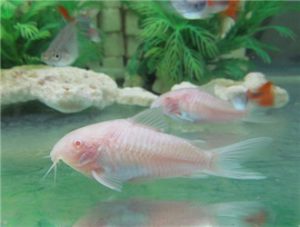
White Corydoras
The White Corydoras is native to South American waters and is now mostly captive-bred. An albino form of the Bronze Cory, it has a milky white body with clear red eyes, is gentle, and is kept in schools. Egg-laying and good with small fish, it suits planted tanks as a bottom fish.

Silver Gourami
The Silver Gourami, also known as the Moonlight Gourami or Silver Man, is an all silver-white, robust fish that is easy to keep - a good beginner ornamental fish. However, newly hatched fry are harder to raise and have a lower survival rate than other gouramis.

Leaf Fish
The Leaf Fish (Monocirrhus polyacanthus), also known as the Dead-leaf Fish or Many-spined Leaffish, is native to the Amazon River and Guyana. Its body form is so unusual that when motionless on the substrate it is almost indistinguishable from a fallen leaf.

Pearlscale Butterflyfish
The Pearlscale Butterflyfish, also known as the Yellow Butterflyfish, is a marine reef fish of the butterflyfish family. It is mainly distributed in the coral reefs of the western Pacific. Among butterflyfish, its appearance is rather special.

One-Spot Butterflyfish
The One-Spot Butterflyfish (Chaetodon unimaculatus), also called the Teardrop Coralfish, is a distinctive common butterflyfish from the Indo-Pacific tropics, named for the single black spot on its upper side. Reaching 20 cm, it is gentle and best kept in a mature reef tank with stable marine water.
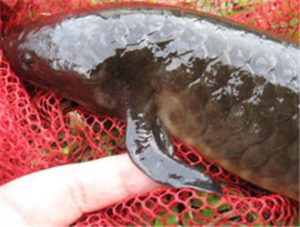
Australian Lungfish
The Australian lungfish (Neoceratodus forsteri), also called the Queensland lungfish, is the largest of the living lungfishes and a true 'living fossil' that breathes with both gills and a lung. Native to the rivers of Queensland, Australia, it is a protected species and not part of the ornamental aquarium trade.

Chinese Tree Frog
A slender, bright-green arboreal frog from central and eastern China, built for life in the branches with sticky toe pads and a loud, repeated call.