Search Results
67 results for “thyroid”
Understanding Feline Hyperthyroidism
Hyperthyroidism is an endocrine disease from excess thyroid hormone, common in senior cats, usually from benign nodules. Signs include weight loss with ravenous appetite, restlessness, coat changes, and more; suspect it in any sick cat over ten. Treat by surgery, daily medication, or radioiodine; prevent via diet and regular checkups, especially with heart disease.
Understanding Hypothyroidism in Cats
Feline hypothyroidism means the thyroid gland in the neck does not make enough hormone, slowing the whole body's metabolism. Signs include low energy, poor cold tolerance, slow wound healing, fragile skin, hair loss, weight gain, high blood fat, and anemia. It is an autoimmune disease, hard to prevent, and usually lifelong, managed with daily thyroid hormone pills. It is very rare in cats but common in dogs, and often appears with age.

Myxoedema (Hypothyroid Dermatosis) in Dogs and Cats
Myxoedema is a hypothyroid disorder in which mucinous material accumulates in the skin and tissues. It causes obesity, marked hair loss, lethargy and cold intolerance, and is treated mainly with thyroid hormone replacement plus skin support.

Hypoparathyroidism in Dogs and Cats
Hypoparathyroidism is low parathyroid hormone from parathyroid injury that causes severe low blood calcium and neuromuscular hyperexcitability: muscle tremors, ataxia, and seizures. Correcting calcium with calcium and vitamin D is the mainstay of treatment.

Hyperparathyroidism in Dogs and Cats
Hyperparathyroidism is excess parathyroid hormone from a tumor or dietary imbalance that disrupts calcium-phosphorus balance, causing poor appetite, vomiting, weakness, and urinary stones or kidney failure. Treatment targets the cause and corrects calcium.

Hypothyroidism in Dogs and Cats
Hypothyroidism is reduced thyroid hormone from thyroiditis or tumor that slows metabolism, causing lethargy, weight gain, hair loss, and cold intolerance, sometimes with nerve signs. Lifelong thyroid-hormone replacement is the treatment.

Hyperthyroidism in Dogs and Cats
Hyperthyroidism is excess thyroid hormone from a thyroid tumor or hyperplasia that raises metabolism and nerve excitability. It causes weight loss with increased appetite, a fast or irregular heartbeat, and hyperactivity, and is managed with antithyroid drugs, radioactive iodine, or surgery.
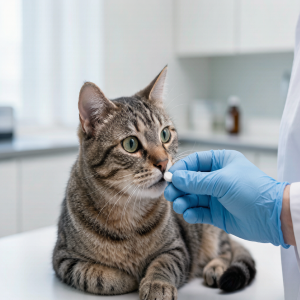
Treatment of Feline Hyperthyroidism
Treating feline hyperthyroidism may involve one or more of several approaches, starting with medication. This article covers methimazole, surgical thyroidectomy, radioactive iodine (I-131) therapy, and supportive follow-up care.

Symptoms and Diagnosis of Feline Hyperthyroidism
Hyperthyroidism is a very common disease in older cats and produces a range of symptoms. This article describes the clinical signs and the diagnostic tests, including T4, free T4 by equilibrium dialysis, chest X-rays, and technetium-99m scans, used to confirm it.

What Causes Periodontitis in Dogs?
Periodontitis is a common and painful dental disease in dogs, driven by a mix of physical, fungal, bacterial, and metabolic factors. Physical causes include chewing on fish bones, wire, or other sharp objects that injure the mouth, while fungal infections such as Candida or Blastomyces and bacterial overgrowth can trigger necrotizing ulcerative gingivitis. Metabolic problems like diabetes, kidney disease, dehydration, and hypothyroidism also raise the risk. Affected dogs show bad breath, drooling, swollen or receding gums, loose teeth, and sometimes pus. Diagnosis combines an oral exam with dental X-rays, and treatment requires professional cleaning or extraction under anesthesia plus ongoing home dental care.