Search Results
35 results for “thyroid supplement”

Symptoms of Hypothyroidism in Dogs
Canine hypothyroidism can cause obesity, low energy, poor appetite, hair loss, and cold intolerance, but these signs also fit other diseases - so get a vet check. Treatment is lifelong thyroid-hormone supplements, dosed by the vet.
A patch of fur is gone with pimple-like bumps; the vet said hormonal imbalance, but medication and supplements for a while haven’t helped
Symmetric bald patches often signal endocrine issues like hypothyroidism or Cushing's. Get a detailed exam for cause-specific drugs; spaying helps balance hormones, and add vitamin C and fiber to the diet.

Which Dogs Need Calcium Supplements? Don’t Overdo It
Healthy dogs rarely need extra calcium, but growing large-breed puppies on low-calcium diets, pregnant or nursing mothers (risk of eclampsia), and seniors with weak digestion may need some. Get a vet check first, then choose the right form (calcium carbonate, citrate, or lactate) and food sources, plus sunlight and exercise. Too much calcium harms bone development and can cause kidney stones.

Myxoedema (Hypothyroid Dermatosis) in Dogs and Cats
Myxoedema is a hypothyroid disorder in which mucinous material accumulates in the skin and tissues. It causes obesity, marked hair loss, lethargy and cold intolerance, and is treated mainly with thyroid hormone replacement plus skin support.

Hyperparathyroidism in Dogs and Cats
Hyperparathyroidism is excess parathyroid hormone from a tumor or dietary imbalance that disrupts calcium-phosphorus balance, causing poor appetite, vomiting, weakness, and urinary stones or kidney failure. Treatment targets the cause and corrects calcium.

Hypothyroidism in Dogs and Cats
Hypothyroidism is reduced thyroid hormone from thyroiditis or tumor that slows metabolism, causing lethargy, weight gain, hair loss, and cold intolerance, sometimes with nerve signs. Lifelong thyroid-hormone replacement is the treatment.
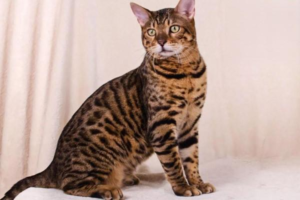
Treatment of Feline Hyperthyroidism
Treating feline hyperthyroidism may involve one or more of several approaches, starting with medication. This article covers methimazole, surgical thyroidectomy, radioactive iodine (I-131) therapy, and supportive follow-up care.

Managing Dog Hair Loss from Endocrine Imbalance
Endocrine hair loss starts with pigmentation and scaly thin coat, then symmetric shedding on the belly, chest, and thighs. Thyroid, adrenal, or sex-gland disorders are common; treatment uses hormone testing and thyroid supplements.
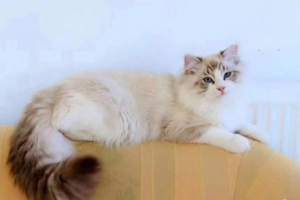
Can Feline Stomatitis Be Cured?
Feline stomatitis can be cured when the underlying cause is treated — it ranges from vitamin deficiency and mouth injuries to calicivirus, FeLV/FIV, kidney disease, or hypothyroidism. Signs are drooling, foul breath, and red or ulcerated gums; care combines wound or antibacterial mouth sprays, viral support, and prevention through regular brushing and dental cleanings.

Early Symptoms of Dog Diabetes
Early symptoms of diabetic dogs include drinking more water, urinating more, eating more, but the dogs look thin and get thinner. Diabetic dogs develop fast, and severe cases cause ketoacidosis - treat the dog at once.