Search Results
6 results for “thromboembolism”
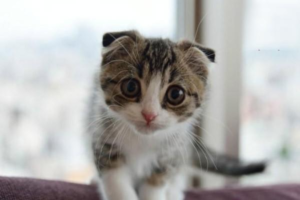
Why Is Your Cat Suddenly Limping?
Sudden lameness in cats can stem from injury, arthritis, hip dysplasia, or even aortic thromboembolism. Catch it early, get a proper diagnosis, and manage weight, joints, and environment for better recovery.
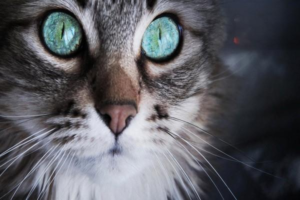
Symptoms of Heart Disease in Cats
A US study found 16% of seemingly healthy cats hide heart disease. Key warning signs: mouth-open breathing, strong chest/belly movement, sudden hind-leg paralysis from arterial clot, and fainting. Act fast at any of these.
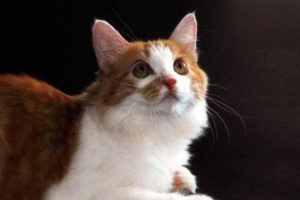
How Is Feline HCM Treated?
HCM cannot be cured and stays for life, but early treatment controls it well. Care centers on beta-blockers, diltiazem, diuretics for edema, and anticoagulants for clots — plus keeping a heart drug at home and minimizing stress.

Symptoms of Hypertrophic Heart Disease in Cats
Feline HCM is common in breeds like Burmese and Ragdolls. Early signs are subtle — breathing trouble, low appetite, tiredness — while late signs include heart failure, blood clots, and sudden death. Learn what to watch for.

How Feline HCM Can Cause Sudden Death in Cats
Feline hypertrophic cardiomyopathy (HCM) is a common, inherited heart condition that can trigger sudden death from stress. Learn the signs, the risk in certain breeds, and how a calm, low-stress life helps prevent tragedy.

Feline Hypertrophic Cardiomyopathy: Symptoms, Treatment, and Prevention
Feline hypertrophic cardiomyopathy (HCM) is a frequently inherited heart-muscle disease in which the ventricular walls thicken and filling is impaired. Many cats show no early signs, then suddenly develop breathing distress, weakness, or sudden death from stress or arterial obstruction.