Search Results
25 results for “third eyelid gland”
How long will a dog be in pain after third eyelid gland surgery?
A dog may feel pain for about 5 days after third eyelid surgery, easing daily, and can open its eye by day 3. Eye drops prevent dryness.
Canine and Feline Cherry Eye (Third Eyelid Gland Prolapse): Symptoms, Treatment, and Care
Cherry eye is the prolapse of the third eyelid gland in dogs and cats, appearing as a pink mass at the inner corner of the eye. Mild inflammatory cases settle with drops, but surgery is often needed to replace the gland.
Canine Third-Eyelid Gland Prolapse (Cherry Eye): What to Do
A prolapsed third-eyelid gland, commonly called cherry eye, occurs when the gland under the nictitating membrane swells and pushes past its free edge, forming a pink fleshy mass. The standard treatment is surgical removal of the hypertrophic gland after disinfection and local anesthesia, followed by antibiotic eye drops.
Prolapsed Third Eyelid (Cherry Eye) in Dogs: Symptoms and Treatment
A protruding third eyelid is really a prolapsed nictitans gland, also called 'cherry eye.' The gland grows larger than the third eyelid and bulges out. The exact cause is unclear - possibly weak tissue between the gland base and orbit, local irritation, or genetics.
Can a Dog’s Third Eyelid Prolapse Heal on Its Own?
A dog's third eyelid rarely heals on its own; without timely hospital treatment it may prolapse, affecting vision and causing bleeding, inflammation. Today we look at the dog's third eyelid.
My Dog’s Third Eyelid Is Prolapsed — What Should I Do?
A dog's third eyelid prolapse is usually caused by overactive glands or inflammation. A vet check is advised; anti-inflammatory eye drops can cure inflammation within 2-3 days, while gland overactivity may need surgery.
What happens if a dog’s third eyelid hyperplasia is left untreated?
Untreated third eyelid hyperplasia worsens vision, causing blurriness and even blindness, so seek treatment promptly. The main treatment is surgical removal plus antibacterial eye drops and erythromycin ointment.
How to Deal With Polyps on a Dog’s Eye (Cherry Eye)
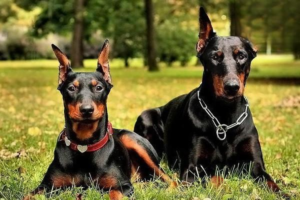
The polyp on a dog's eye refers to the dog's third eyelid gland prolapse, also called cherry eye. Many owners are startled to suddenly find a red lump in the dog's eye, but there is no need to panic-it is a very common minor issue in dogs. Below we explain the treatment for a dog's eye polyps.
What happens if a dog’s cherry eye is left untreated?
Cherry eye (prolapsed third eyelid gland) left untreated can cause pain and discomfort—itching, burning, pain. Tear drainage blockage invites infection with redness, swelling and discharge. It can also impair vision, causing blur or blindness. Seek veterinary treatment promptly.
Do Cats Cry from Sadness?
Do cats cry when sad? The answer may differ from what some expect.