Search Results
81 results for “thermometer”

How Big a Cage Does a Chinchilla Need?
An adult chinchilla needs a cage at least 50×40×60 cm (go bigger rather than smaller, but cap height near 1.5 m to avoid fall injuries), made of chew-proof stainless steel, aluminum, or wood with 2–3 jumping levels, ledges, a house, hay rack, water bottle, and thermometer. Add safe bedding, keep it clean and draft-free, and provide chew sticks.
How to Check If Your New Puppy Is Healthy
Check a new puppy in five steps: mental state (curious, not lethargic), appetite (eating within a day or two), temperature and breathing (38–39°C; over 39.5 is fever, under 37.5 hints at low sugar or shock; 20–30 breaths/min at rest), and stool/urine (formed brown, no blood or diarrhea). Also scan coat, gums, ears, eyes, and gait.
What are the symptoms of a fever in cats?
A feverish cat often shows chills, refusal to be touched, poor appetite, lethargy, shivering, a hot body, and faster breathing. Measure with a pet thermometer; above 39°C means fever. Use physical cooling and see a vet if it persists.
What do you need to prepare for keeping a bearded dragon?
Prepare a 60x40x40 cm terrarium with UVB and heat lamps, a thermometer, hygrometer, vitamins, calcium powder, and electrolyte water. Choose a healthy dragon over 13.5 cm, and feed small dubia roaches or crickets under 1 cm.
What should I do if my dog suddenly stops eating and drinking and becomes listless?
Sudden loss of appetite and energy in a dog often points to fever, infection, or gastroenteritis. Check rectal temperature above 39.3 C for fever, but if vomiting or diarrhea accompanies it, seek veterinary care to rule out serious disease.
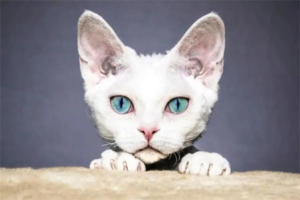
Is It Normal for a Cat’s Ears to Feel Hot?
A cat's normal body temperature runs a little higher than a human's, so ears that feel warm to the touch are usually normal. But ears hotter than usual can signal a problem—stress or anxiety, a respiratory infection, ear inflammation, or simply a warm room. To decide whether it's normal, look at the whole picture: lethargy, reduced activity, poor appetite, or red, smelly, discharging ears all call for a vet. A quick nose check and a thermometer (normal 38–39.5°C; above 40°C needs prompt care) will confirm a fever.

What to Do When Your Cat Has a Fever
Cats get fevers just like people, but a cat's fever is rarely simple - it can signal parasites, stress, bacterial infection, panleukopenia (feline distemper), feline herpesvirus, or various inflammations. A fever is not a small matter: left alone it can damage organs and even turn deadly. Telltale signs include hot ears and tail tip, a dry nose, sweaty paw pads, and a cat that suddenly prefers cool floors and dark corners while eating less and looking limp. Normal cat temperature runs 38-39C (about 39.3C in kittens); above 39.5C is a fever and above 40C is high. For a mild fever or when a clinic is out of reach, cool the paws and belly with alcohol and offer water, but never give human fever medicine, which can be fatal - see a vet for high fevers.

What to Do When Your Cat’s Temperature Drops to 37°C
A normal cat temperature sits between 38.5°C and 39.5°C, so a reading of 37°C is below the healthy range and worth taking seriously. The right response depends entirely on the cause. Sometimes it signals a weak or sick cat that needs warmth and a vet; other times it is a normal, expected dip just before labor. Here is how to tell the difference.
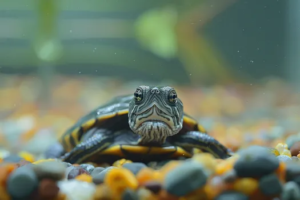
How to Prevent Turtle Eggs From Molding During Incubation
Turtle eggs can mold during incubation when temperature and humidity are off, when eggs are contaminated or cross-infected, or when they were never fertilized. Good incubation management is the key defense. After laying, check each egg for fertilization and remove infertile ones so they don't spoil in the warm, humid box and infect the rest. Keep temperature and humidity appropriate, control pests, and protect eggs from contamination and cross-infection. This article explains the causes and the practical steps to keep your hatch healthy.

One-Spot Butterflyfish
The One-Spot Butterflyfish (Chaetodon unimaculatus), also called the Teardrop Coralfish, is a distinctive common butterflyfish from the Indo-Pacific tropics, named for the single black spot on its upper side. Reaching 20 cm, it is gentle and best kept in a mature reef tank with stable marine water.