Search Results
26 results for “territorial behavior”
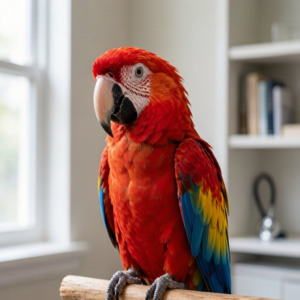
Scarlet Macaw: Traits and Natural Behavior
The scarlet macaw is among the most vividly colored parrots, with a body dominated by brilliant red and accented by yellow, white, and deep blue across the wings and tail. A large, strong black beak easily cracks hard nuts and fruit. These birds live in subtropical and tropical forests, roost high in big trees, and are highly social, gathering in flocks that can top thirty individuals. Understanding their size, diet, lifespan, and breeding needs is essential before taking one home.

Understanding Aggressive Behavior in Cats
Given their size, cats can be formidable opponents. Unlike dogs, cats have three weapons: an open mouth with sharp teeth and four dexterous paws with needle-like claws, making them harder to control.
Does a Cat’s Personality Change After Neutering?
The belief that cats turn gentler after neutering is partly true but not guaranteed. Neutering removes the testes or ovaries and uterus, so a cat can no longer breed and its sex hormone levels drop. Without heat cycles driving hormones up, many cats become calmer and more stable, with less aggression and territorial drive, and they often accept petting more willingly. But the direction and size of any change depend on the cat's age, temperament, and environment. Some become more aloof and less social, and right after surgery a cat may act irritable and lose appetite from pain, fear, and the stress of the procedure. Others show no clear change at all, especially if their personality was already steady. Support your cat through mood swings with extra affection, a stable routine, private space, and more gentle interaction. Neutering does not rewrite a cat's core self, so stay patient and respect its individuality.

How to Help Cats and Dogs Get Along
To keep cats and dogs friendly, consider their temperaments before adding a pet, avoiding two short-tempered animals together, and guide them to build a good relationship. Give each its own bowls and enough food and water, and let each have its own territory to avoid fights over resources and space.
Do Cats Hold Grudges After Being Hit? (Why You Shouldn’t Hit Them)
Many owners think a single hit is no big deal, but cats have strong short-term memory for painful or frightening events. A kitten may not "hold a grudge" but will remember being hurt and slowly lose trust, hiding whenever it sees you. Adult cats remember even more and are quicker to resent. Hitting rarely teaches a lesson, since only a few very smart cats grasp your intent. Signs of a grudge include refusing touch, destroying things, inappropriate elimination, counter-attacking, or running away. The fix is to stop all physical punishment, rebuild trust with treats and play, and correct with a firm voice, time-out, rewards, or a mother-cat style neck tap instead.

Can Chinchillas Be Neutered?
Chinchillas can be neutered, ideally before sexual maturity: males around 4-6 months and females around 5-7 months. Neutering controls breeding, calms aggressive or territorial males, and lowers a female's risk of uterine disease and mammary tumors. The procedure is less established in some regions, so choose an experienced veterinarian or a well-equipped hospital, and expect a health check first. Chinchillas are prolific breeders that can mate again within 24 hours of birth, so for pets you do not plan to breed, neutering or strict separation of sexes is the safest approach.

Treating a Hamster Injured in a Fight
Hamsters are fiercely territorial and often fight when housed together. After a fight, check the wound closely. Minor injuries can be treated at home: clean with saline, disinfect with iodine, and apply a safe ointment such as chlortetracycline eye ointment or Yunnan Baiyao, while keeping the injured hamster alone in a calm space. For heavy bleeding, large, or deep wounds, disinfect and bandage, then see a veterinarian. Separate the injured hamster at once and watch for any worsening; seek professional care if it does not improve.

Why Does Your Cat Head-Butt You?
A cat head-butting you carries several meanings and is a way to express love and needs through body language. Cats head-butt each other to show friendliness, and with people they do the same to build a closer bond and display affection. A cat usually head-butts only those it likes, so respond with more attention and warmth to deepen your trust and closeness.
Why Is My Chinchilla Peeing Outside the Litter Box?
Chinchillas may urinate in the wrong places for several reasons—bad habits, low mood, estrus, territorial marking, or an underlying urinary infection. Each cause needs a different response. The key first step is to clean any accident thoroughly so the scent doesn't train your pet to reuse the spot. Feeding on a fixed schedule keeps a hungry or unhappy chinchilla calm, while separating cages and considering neutering curbs marking during heat. If urination becomes frequent or the urine looks dark, a vet check rules out infection.
Why Has My Cat’s Personality Changed?
A sudden change in a cat's temperament can come from heat, neutering, strong pain, illness, a teenage 'rebellious' phase, or psychological stress. A cat in heat grows restless and may spray, then settles after; neutering usually makes it calmer and lowers reproductive-disease risk. Pain makes a cat reject touch and lash out, so see a veterinarian if it guards a body part. New pets, punishment, or loneliness can also trigger fear or retaliation, and sensitive cats can develop anxiety or depression without enough companionship.