Search Results
86 results for “terrier breeds”

How to Treat Patellar Luxation in Dogs
Patellar luxation causes lameness, pain, skipping while running, a crouched gait, bowed legs, muscle loss, and stiffness, with signs varying by severity. Grades 1–2 often show few obvious symptoms, while grade 3–4 cause clear gait abnormalities that need prompt veterinary care. Mild cases are managed conservatively, while severe cases usually require surgery.
No Response When Called? 5 Signs of Hearing Loss in Dogs
A dog's hearing is four times sharper than a human's, so hearing loss hurts its quality of life and can put it in danger. Watch for five signs: slow response to everyday sounds (name, doorbell, treat bag, commands); deeper sleep that only breaks when touched; being easily startled because it relies more on sight and stays clingy; poor sound localization (turning the wrong way with one-sided loss); and changed bark volume. Causes range from age (often from 8–10) to ear infections, mites, wax, drug side effects, injury, tumors, or breed predisposition. See a vet early; for age-related loss, use hand signals, keep the environment stable, and try a vibration collar.

Woken by Dog Barking at 5 a.m.? How to Fix Early Morning Barking
A dog barking at first light isn't misbehaving on purpose; it follows a behavior logic. A 2023 canine vocalization report found over 73% of early barking ties to instinct, environment, or unmet needs. Causes include a built-in circadian clock (some energetic breeds' melatonin drops 30% faster), basic needs like hunger or a toilet break, and outside sounds like garbage trucks that a dog's sharp hearing catches. The fix is positive guidance plus removing rewards: shift the dog's schedule later, tire it out before bed, darken the room and use white noise, desensitize to triggers, and completely ignore barking until it is silent for 30 seconds. The process takes days to weeks, so don't give in midway.
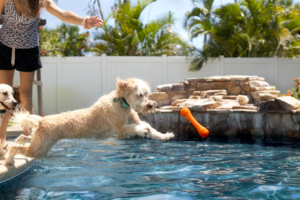
Can Swimming Help a Dog with a Luxating Patella?
A luxating patella—the kneecap slipping out of its groove—is common in small and toy breeds and can cause pain and limping. Swimming is often recommended by veterinarians as part of conservative care because water’s buoyancy supports the body and builds hind-leg muscle without loading the joint. However, swimming is therapy, not a cure: the condition is structural (loose ligaments, a shallow groove, or poor alignment) and cannot be reversed by exercise, medication, or massage. Whether swimming helps depends on the grade—mild cases benefit, while severe grades can be made worse. This article explains the condition, how water therapy fits in, which grades should swim and how, and the daily supports (fish oil, chondroitin, avoiding jumps) that protect the joint.

Can a Dog’s Protruding Eye Be Saved?
A dog's eye bulging from its socket needs urgent veterinary care. Causes range from the fatty pad behind the eye being pushed forward—common in short-nosed breeds like Pugs and Boston Terriers—to tumors, thyroid issues, infection, or trauma. Treatment is either replacing the eye or, in severe cases, removal. Gently clean around the eye before the visit, and keep up regular eye and health checkups to catch problems early.

CoQ10 for Dogs: Why It Matters for Your Pet’s Heart
As dogs age, heart function naturally declines, and heart disease is especially common in small breeds. Coenzyme Q10 (CoQ10) is a nutrient that helps power heart-muscle cells and protects them from oxidative damage, which is why it is widely used to support cardiac health in senior pets. Yet the supplement market is uneven—many products overstate or never verify their CoQ10 content. This guide explains what CoQ10 does for your dog's heart, how to choose a supplement with genuinely usable CoQ10, and what the current evidence says, so you can make a confident, informed choice.

What Every Dog Owner Should Know About Pancreatitis
Canine pancreatitis happens when digestive enzymes activate too early and the pancreas essentially digests itself, causing severe inflammation. Rich human food, obesity, toxins, and certain breeds raise the risk, and moderate-to-severe cases can be fatal. This guide covers causes, the telling 'praying' posture, diagnosis with pancreatic tests, treatment, and diet-based prevention.

What Causes Glaucoma in Dogs?
Canine glaucoma comes in primary and secondary forms. Primary glaucoma is a hereditary drainage-angle defect that blocks fluid outflow and raises eye pressure; it is common in Huskies, Chow Chows, Poodles, Cocker Spaniels, Beagles, and Maltese, usually appearing at 4–9 years. Secondary glaucoma follows eye disease such as uveitis, pupil blockage, lens luxation, or tumors. Treatment aims to lower pressure and save vision—medication works best early, but surgery is often needed later. Because early signs are subtle, at-risk breeds should have annual eye-pressure checks.

Is the German Shepherd Suitable for First-Time Owners?
The German shepherd is generally not ideal for beginners. It is highly intelligent and active but can be challenging without solid knowledge and experience, and it needs firm, patient training plus proper socialization. Owners must commit real time and energy to exercise and mental stimulation, understand its inherited risks such as eye disease and hip dysplasia, and provide a safe home where all family members get along with the dog. Calmer, easier breeds suit first-timers better.

Melanomas in Dogs and Cats
Melanomas are pigmented tumors that may be benign or malignant, often in dark-skinned dogs such as Cocker Spaniels and Scottish Terriers. They favor the mouth, eyes, rectum, and perineum, with mucosal sites most at risk. Wide removal is used, but malignant forms carry a poor outlook.