Search Results
50 results for “temperature regulation”

How to Prevent Heatstroke in Cats
Cats can overheat when confined in hot, poorly ventilated spaces; their thermoneutral zone is about 30–36°C, and indoor heat can exceed that. Signs include panting, 'greasy' sweaty paws, drooling, red mucous membranes, and collapse. Prevention is cooling and hydration; severe cases with seizures or coma need urgent veterinary care.

Understanding Normal Rabbit Behaviors
Knowing a rabbit's normal behaviors helps breeders spot problems early and respond in time. Key patterns include feeding and drinking, nursing, cecotrophe (soft stool) eating, and territorial marking. Recognizing what is typical versus abnormal is essential to rabbit health and productive husbandry.

Maddening Cat Shedding
Cat shedding is the bane of every cat-owning home. Imagine clothes perpetually covered in fur; you diligently lint-roll them again and again, only to have the cat restore the mess the next day. Owners may develop 'fur phobia' from hair in food and drink, even wondering if they need hairball paste themselves.
Which cat breed has the highest IQ?
The Sphynx (Canadian Hairless) is considered the smartest cat breed; it understands human speech and shows strong empathy, sensing its owner's moods. But without fur it tolerates temperature poorly, so manage its care.
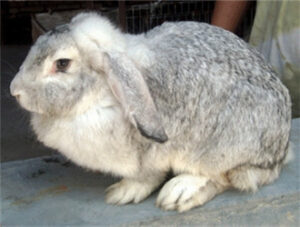
Ram Rabbit
The Ram Rabbit is a large, lop-eared meat rabbit originally from North Africa, known for its ram-like head and gentle, slow temperament. Mainly raised on farms, it has low fertility, so special attention to nutrition during pregnancy is essential.

Why Does My Cat Roll on Concrete Floors?
A cat rolling on concrete may be using the surface temperature to regulate body heat, or marking territory, or scratching an itch. There are many reasons; judge by the situation. This article details them.

How to Care for Newborn Guinea Pigs
Newborn guinea pigs are best nursed by the mother — her milk boosts immunity and survival. If no milk, hand-feed diluted condensed milk or small-animal formula with warm water via a small syringe. Keep them in a warm (18–22°C), dry, clean, safe enclosure.

How to Choose the Right Clothes for Your Dog
To find well-fitting dog clothes, measure neck, body length, and chest with a soft tape while the dog stands on flat ground; choose a size slightly larger for comfort. Pick natural fabrics like cotton or wool to avoid skin allergy and static.

Is Your Dog Cold? 3 Ways to Tell — Plus Winter Warmth Tips
Dogs are warm-blooded and feel the cold — small, short-haired, hairless, very young, senior, sick, and tropical-origin breeds are the most sensitive. Tell by curling up, shivering, seeking heat, cold ears/paws/belly, sluggishness, and raised fur, then warm them with clothes, a cozy bed, booties, dryness, extra calories, and midday walks.
Why is my dog breathing rapidly (panting heavily)?
Rapid breathing has two causes. Physiological: anxiety, fear, excitement, cooling off, or after exercise; short-nosed breeds like English and French Bulldogs and Pugs pant easily. Pathological: respiratory disease, heart disease, poisoning, or weak heart/lungs. If physiological causes are ruled out, see a vet.