Search Results
162 results for “temperature match”

Can You Still Walk a Dog with Arthritis?
Light walking is good for a dog with arthritis: it relaxes the joints, supports a healthy weight, and preserves muscle. The key is to walk slowly, keep outings short and close to home, use a supportive harness, and stop if the dog resists. Swimming is another low-impact option worth trying.

Factors That Affect Baby Rabbit Survival Rates
The main factor in kit survival is the strength of the kits' own immunity, with poor care being a close second. This guide covers nest box setup, nursing, preventing cannibalism, and safe weaning to raise more healthy rabbits.
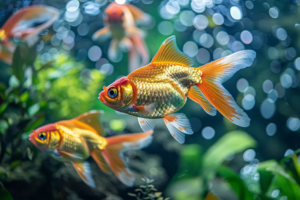
Why Do Ornamental Fish Get Parasites?
Fish parasites come from poor water quality, unsanitary tanks, weak immunity, unhealthy stock, and unclean food. Keep water good, clean equipment regularly, choose quarantined healthy fish, and feed safe food to lower risk.
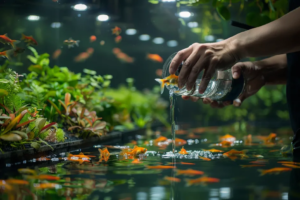
What Are the Most Common Cleaner Fish?
Cleaner fish do more than tidy the tank — species like the green algae eater, black-line flying fox, otocinclus, corydoras, black molly, and kisser fish each graze algae and leftovers in their own way. Match the species to your tank size and water, and don't overfeed, or a full cleaner fish simply stops working.
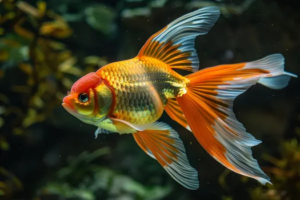
How to Improve the Survival Rate of Ornamental Fish
To raise survival, fishkeepers should feed reasonably, change water regularly, clean filter media, keep temperature suitable, and control stocking density. Match diet to the species, control amount and frequency; regular water changes and filter cleaning keep water quality. Keep temperature right and density appropriate for tank size. Before mixing species, learn which coexist to avoid losses.

Notes on Keeping Goldfish in Winter
Winter's low temperature slows goldfish metabolism and weakens immunity, so adjust diet and water changes. Reduce feeding amount and frequency and lower change frequency. Avoid adding new fish in winter. Watch their condition for early signs; manage diet and water changes to lower illness risk.

How to Choose Goldfish Food
Good goldfish food: pleasant smell, doesn't cloud water, not greasy, small size, doesn't swell in water, over 30% protein, and the fish like it. If fish won't eat it, even great food is useless, so preference is the basis. Good food smells fresh of shrimp/fish; bad smells of rot or sourness and is greasy from oil used to fake aroma.

What to Know About Using Tap Water for Fish
Tap water contains chlorides harmful to fish. Let it stand or air 3 days so chlorine evaporates. Match its temperature to the tank to avoid shock; use a heater or ice pack if needed. Some areas' water has unsuitable hardness or pH—test with kits. Change 1/5–1/3 every 3 days to a week to keep stability.
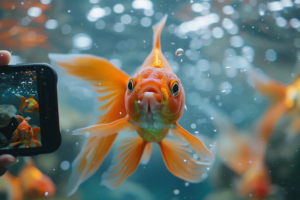
Why Arowana Refuse to Eat
Many factors cause arowana to refuse food - large water-quality swings, sudden environmental change, indigestion, a monotonous diet, or illness. Solutions differ by cause: change and stabilize the water, let the fish rest quietly, fast and regulate digestion, vary the diet, or treat the specific disease. Check water, environment, food, and health to find the cause.

The Goldfish Breeding Process
Goldfish breeding has three steps: pairing, fertilization, and hatching. Mature fish pair on their own in season; in southern China the peak is March-April, with water best kept at 18-25°C. They fertilize externally — the female releases eggs, the male adds sperm, and fertilized eggs hatch in about 5-7 days at ~18°C with good oxygen.