Search Results
1512 results for “teeth”

Common Misconceptions About Feeding Pets
Common feeding mistakes include giving white rice and organ meat (skin and bone problems), fish (choking and urinary stones), cooked bones (intestinal tears), human leftovers (too much salt and oil), long-term raw meat (dental and picky-eating issues), chocolate (toxic to dogs) and milk or raw egg white (diarrhea and vitamin loss). Feed a balanced, species-appropriate diet.

Guinea Pig Housing: Cage vs. Free-Roam
Guinea pigs can be kept in a cage or allowed to roam free, each with trade-offs. Caging is easy to manage but can be noisy; free-roaming builds closeness but risks messes. Either way, litter-training and proper basics—hay, pellets, water, hideouts—make care easier.

Why Does a Cat Bite Slippers?
Cats bite slippers out of boredom, teething, or pica from mineral deficiency. Fix it by spending more time playing, offering chew toys, and balancing the diet with supplements.

What Do Newborn Hamsters Eat? How to Care for Baby Hamsters
Newborn hamsters depend entirely on their mother's milk and are usually weaned at around four to five weeks of age. Once their eyes open you can introduce easily digestible hamster food, and by four weeks they should be separated from the mother to prevent stress and aggression. Avoid spicy foods and fruit pits, which can be toxic to hamsters.

Why Dogs Chew Slippers and How to Stop It
Dogs chew slippers for clear reasons: teething, attraction to your scent, curiosity, or a mineral deficiency (pica). Match the fix to the cause - provide chew toys, spend more time with your dog, secure forbidden items, and correct the diet.

What to Do When Your Rabbit’s Mouth Is Sore or Cracked
A rabbit with a sore or cracked mouth needs prompt checking and treatment, or the problem can worsen. Common causes are a vitamin-deficient diet, poor oral hygiene, and dehydration; treatment means switching to vitamin-rich greens and hay, cleaning the mouth, encouraging water, and providing chew toys to keep teeth worn.

Dragon Li
Dragon Li (details)

Turkish Angora
The Turkish Angora, named for Turkey's capital Ankara, is one of the oldest long-haired breeds, dating to the 16th century. Elegant with silky, medium-length coat and almond eyes, it is agile, independent, and famously fond of water. Once nearly supplanted by the Persian, it was revived in the US from 1963 and is now carefully bred to preserve its pure bloodline.
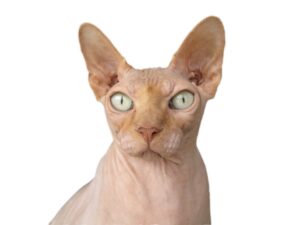
Sphynx
Sphynx (details)

Chinchilla
The Chinchilla, with the English name Chinchilla, originates from Britain and descends from the Angora and the Persian. Some call it the artificial cat, hinting it was deliberately bred by humans. Notably, the Chinchilla was the first fully human-bred cat, appearing in 1894.