Search Results
1512 results for “teeth”

What to Do When a Cat Breathes Through Its Mouth and Drools
Mouth breathing with drooling in cats is usually linked to oral problems, but not always. Observe the overall symptoms to identify the cause. This article covers common causes and what you can do.

Causes and Treatment of Diarrhea in Baby Rabbits
Kit diarrhea comes in food-based, mucous, and dysenteric forms, each needing a different treatment. This guide covers the causes, the right medications, and how to prevent the deadly Clostridium perfringens type A infection.

Emergency Care for a Kit Rabbit in Shock
Kit shock usually follows a long, difficult birth and can kill within 10–15 minutes. This guide covers the warning signs and the quick warming, glucose, and heating steps that can save a newborn rabbit.

Why Does Your Cat’s Breath Smell Bad?
Cat bad breath often points to dental plaque, gingivitis, digestive trouble, or serious disease such as kidney failure, feline leukemia, or diabetes. Have a vet clean the teeth, adjust the diet, treat the underlying illness, and use antibiotics to control infection.
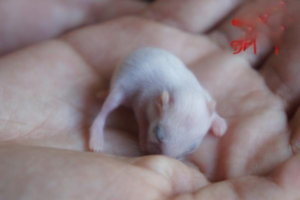
Three Principles of Feeding a Hamster
A hamster's dietary needs change as it moves through infancy, adulthood, and old age. This guide covers the three core feeding rules — moderation, dry-wet balance, and clean drinking water — to keep your hamster healthy and long-lived.

Basic Facts About Cat Physiology
Cats live under 15 years on average, see mostly in blue and red, have exactly 24 whiskers, and can leap five times their body length. Their hearing is exceptionally sharp. Knowing these traits helps owners understand feline habits and care for them better.

Common Diseases in Senior Dogs
In old age, a dog's organs decline, inviting disease that speeds decline. Here are common senior-dog diseases.

At What Age Is a Dog Considered Old?
A dog's life is only about a dozen years; by ten it's often senior, with many changes. Here is when a dog is old.

Do Rabbits Bite, and When
Yes, rabbits can bite, but not without cause — usually when frightened, needing to chew, feeling hostility, or guarding possessions. Their teeth are sharp, so any bite needs prompt wound cleaning and medical care. Giving chew items and handling gently prevents most bites.

Why Rabbits Bite: It Is Never Without Reason
Rabbits do have a temper and will bite — usually for a clear reason: self-defense, territory, hormones, poor vision or breed temperament. They are fragile and sensitive, so gentle handling and earning their trust are the best ways to avoid being bitten.