Search Results
1512 results for “teeth”
A Guinea Pig’s Daily Diet
Guinea pigs are cheap and easy to feed — mainly pellets, hay, vegetables, and steady drinking water. The keys are species-specific pellets, plenty of timothy hay for teeth and gut, boiled (not raw) water, and never any onion-family or spicy vegetables.

What Makes a Healthy Rabbit Diet?
A rabbit's gut is delicate, so a complete commercial pellet should form the base of the diet, supplemented with hay, washed vegetables, and fruit given in moderation. Avoid irritants, spoiled food, and toxic items like chocolate or moldy feed, and provide chews to keep teeth from overgrowing.

What Toys Keep Dogs from Destructive Chewing?
Picking the right toy beats buying a pile of them. Energy-burning interactive toys and proper chew toys address the real reason a dog destroys furniture, while size and durable, safe materials matter more than novelty. Keep the collection small and purposeful, and wash toys before use.

Getting Your Dog Used to Toothbrushing
Most dogs resist brushing, so build the habit slowly: first let it accept your hand on its teeth with treats, then use dog-formulated toothpaste and a soft touch, rewarding each side. Dental chews and water additives help, but they don't replace brushing.

What Causes Gingivitis in Cats?
Feline gingivitis usually starts with poor oral hygiene but can also trace to nutritional gaps, a wet or sugary diet, oral injury, calicivirus or herpesvirus infection, or systemic illness such as diabetes and kidney disease. Signs include bleeding gums, bad breath, and redness or swelling; a vet visit, professional cleaning, and antibiotics treat it, while regular brushing is the best prevention.

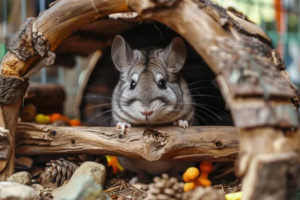
Chinchilla Buying Guide and Preparations for New Owners
Choosing a chinchilla comes down to appearance, temperament, health, and age — a thick soft coat, rounded face, clear eyes, dry nose, clean teeth, and a minimum of 3 months old are the signs to look for. Before bringing one home, set up a multi-level cage, cooling for hot weather, chinchilla dust for baths, proper pellets and hay, and a quiet night-time spot.

Why Does My Dog Chew Things Up?
A dog that suddenly starts destroying things is usually acting out of heat, teething, boredom, or a bid for attention — and rarely, rabies. Give it safe chew toys, use scent deterrents on forbidden objects, and correct the habit early; if the chewing comes with illness, see a vet.

What Are the Symptoms of Stress in Rabbits?
Rabbits startle easily and stress at almost nothing; signs range from poor appetite and hiding to collapse, frothing at the mouth, and grinding teeth. Common triggers are loud noise, a new home, pain from gut or dental disease, and the scent of predators such as cats and dogs. Severe stress is life-threatening and needs a vet at once.

What Are the Dangers of Calcium Deficiency in Dogs?
Low calcium in dogs causes joint disease and weak, hard-to-rise front legs in puppies, stunted bones in large breeds, soft 'rubber' legs, and retained baby teeth (a double row). Fix it through absorption — pair supplements with probiotics and add sunlight and exercise — but don't overdo it, since excess strains the kidneys.

What Internal Parasites Do Dogs Have?
Probably all dog owners have seen their dog have diarrhea, bloody stool, or abnormal behavior-this may mean your dog is infected with parasites! So what are the common parasitic infections in dogs, and what symptoms usually appear after infection?