Search Results
1512 results for “teeth”
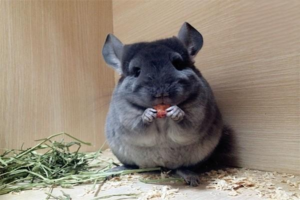
What to Do When a Chinchilla Won’t Eat
A chinchilla stops eating for clear reasons — too many treats, overgrown teeth, heatstroke, or illness and fright — so find the cause before acting. Cut the snacks, support tooth wear, cool it down in summer, and see a vet for genuine sickness.

How to Tell Dog Calcium Deficiency from Arthritis
Calcium deficiency is painless while arthritis hurts, but stoic dogs hide pain until it is severe. Deficiency affects the whole body — poor coat, leg deformities, double rows of teeth, lameness — whereas arthritis centres on swollen, tender joints the dog licks in damp weather. Each needs a different fix: diet and calcium for deficiency, joint supplements and weight control for arthritis.

Dog Bad Breath: Causes and Solutions
Persistent bad breath in dogs usually points to an underlying problem rather than just a dirty mouth — dental disease, oral tumors, digestive trouble, or systemic illness such as diabetes or kidney failure. Daily brushing, the right food, and dental chews are the first line of defense, with professional cleaning needed once plaque is established.

When Does a Dog Need Calcium Supplements?
Most adult dogs on a balanced diet already get enough calcium, but puppies, pregnant or nursing mothers, and seniors need supplements. Puppies risk double rows of teeth and bowed legs, mothers risk postpartum tetany from low blood calcium, and seniors lose bone density — yet over-supplementing harms them too, so confirm with a blood test first.
Does Eating Grass Hurt a Dog?
An occasional nibble of grass does no real harm, but letting a dog graze often is risky: lawns may carry pesticide or rat poison, grass awns can lodge in the throat or coat, and parasite eggs and bacteria on grass invite internal worms and diarrhea. If the habit persists, suspect a nutrient gap or indigestion, enrich the diet, and deworm on schedule.
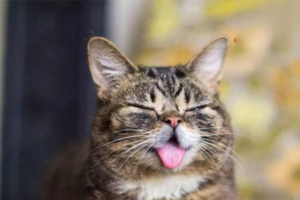
Is It Normal for a Cat to Stick Its Tongue Out Often?
A cat with its tongue out is often just adorable — and usually harmless, from a grooming interruption, a short chin, heat, or post-play panting. But frequent tongue-out with drooling, bad breath, or heavy breathing after little exercise can signal mouth disease (stomatitis, periodontal disease) or heart/lung trouble and warrants a vet check.

How Much Water Should a Dog Drink a Day?
A puppy needs about 80 ml of water per kg daily and an adult about 100 ml; falling short loads the kidneys and feeds stones and urinary disease. Watch for dry gums, sunken eyes, and dullness as dehydration sets in, and coax drinking with pre-meal sips, walks with water, or a splash of broth.

Are Red, Swollen Rabbit Eyes a Sign of Illness?
Red, swollen rabbit eyes usually trace to the eye itself or the teeth. Grass can scratch the cornea (use a pet anti-inflammatory drop and feed from a rack), or skin bacteria/fungi spread to the eye; dental disease — overgrown molars pressing the tear duct or eyeball — is another common cause and may need a dental X-ray and even surgery. See a vet to pin down the cause rather than guessing.

How to Deal With Dog Odor at Home
Dog odor comes from the dog itself—body odor, lack of bathing, bad breath, ear wax, full anal glands, or skin disease—and from accidents caused by untrained pups, marking during heat, diarrhea from parasites or parvovirus, or aging sphincter loss. Find the source, then improve hygiene (regular baths, weekly teeth brushing, ear and anal-gland care) and use an enzymatic deodorizer that breaks down odors rather than masking them.

Mouth Ulcers in Rabbits
Rabbits with mouth ulcers develop small blisters, red swollen gums, drooling, and bad breath, and the pain makes eating difficult. Softening the diet, keeping the mouth clean, and offering chew toys to wear down overgrown teeth all help the ulcers heal. Because a rabbit's teeth grow continuously, unchecked overgrowth can lacerate the oral tissue and trigger the ulcers in the first place.