Search Results
1512 results for “teeth”
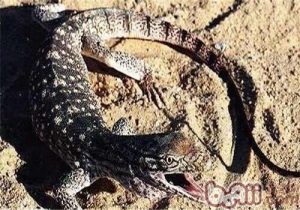
Desert Monitor
The Desert Monitor (Varanus griseus) is a large, fierce monitor of the Sahara and Asian deserts, reaching up to 140 cm and famed for its endurance and venom-resistant diet of snakes and scorpions. Difficult and dangerous to keep, it is not recommended for beginners.
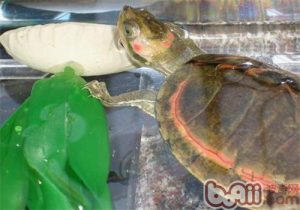
Pink-ringed Tent Turtle
The Pink-ringed Tent Turtle (Pangshura tentoria) is a striking high-domed turtle with pink cheeks and a pink ring around its carapace, but it is delicate, with hatchling mortality often above 80%, mostly from skin rot. Best suited to experienced keepers who can provide stable temperatures and a basking area.
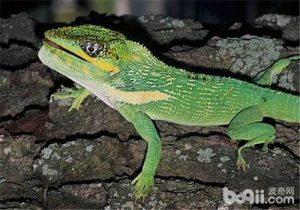
Cuban False Chameleon
The Cuban false chameleon is the largest species in its genus, a diurnal, arboreal lizard from Cuba named for its bony head casque and color-changing ability. Found in forests and orchards, it does best with misting, broad foliage and a 25–30°C daytime temperature.
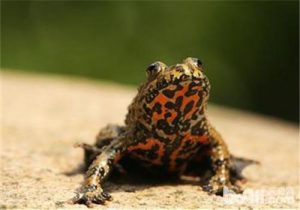
Oriental Fire-bellied Toad
The Oriental fire-bellied toad (Bombina orientalis) is a small (about 45 mm), rough-skinned toad from northeastern China, Korea, and Russia, famous for its bright orange-and-black underside displayed in a defensive 'unken' arch. Listed under China's protected-wildlife directory, it is best left in the wild.
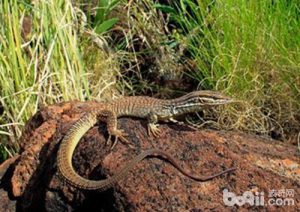
Ridged-tailed Monitor
The ridged-tailed monitor (Varanus primordius) is a stocky, mainly terrestrial monitor from Australia with three recognized subspecies, reaching 60-70 cm in length. Males are notably heavier than females, and it remains an uncommon subject in captivity.

Berger’s Cape Tortoise
Berger's Cape Tortoise is a small tortoise native to the coastal regions of Namibia and western South Africa, where it shelters among rock crevices and feeds on the flowers and fruits of plants such as cucumbers, gourds, grapes, and figs, reproducing by laying eggs.

Canine and Feline Gingival Epulis
A gingival epulis is a non-cancerous growth arising from the periodontal ligament, most often in dogs over six years old. It causes bad breath, ulceration, and bleeding, and is managed by surgical removal before it damages surrounding bone.

Bichon Frise: Health and Care Considerations Before You Adopt
The Bichon Frise is a gentle, low-shedding companion dog, but prospective owners should know its common care needs: pronounced tear staining from shallow tear ducts, a coat that mats and pulls the skin, separation anxiety, a sensitive stomach, and dental issues. Meeting these needs keeps the dog healthy.

Magnesium Metabolism Disorders in Dogs and Cats
Magnesium disorders in dogs and cats include deficiency, causing stunted growth, hyperexcitability, and convulsions, and excess, usually from over-supplementation, causing vomiting, diarrhea, and in cats urinary tract signs. They are managed by correcting dietary magnesium and treating the underlying cause.

Rickets in Dogs and Cats
Rickets in dogs and cats is a growing-animal bone disease from vitamin D, calcium, or phosphorus deficiency, producing soft, deformed bones, lameness, and dental problems. It is prevented and treated with corrected diet, sunlight, and veterinary-directed calcium and vitamin D.