Search Results
1512 results for “teeth”
Can cat food be soaked in water before feeding?
Cat food can be soaked in water, and warm water is generally recommended. Softening the kibble makes it easier to chew, which suits very young kittens and cats with stomatitis who cannot chew normally. However, kittens over three months old and healthy adult cats are usually better off with dry food.

How Many Times a Day Should You Feed a Rabbit?
Most adult rabbits do well on two meals a day, while growing juveniles need three to four smaller feedings; seniors or rabbits with health issues may need adjusted schedules per a vet. Base the diet on unlimited hay, a measured amount of pellets, and limited fresh vegetables, and keep portions modest to avoid obesity and gut trouble. Watch appetite and weight and adjust as needed.

Can a Rabbit Live on Grass Alone, Without Pellets?
Rabbits are herbivores, but hay alone isn't advised — a single grass can't meet all needs and leads to weight loss, weak immunity, and skin issues. Aim for 70–80% hay (fiber + teeth wear), 5–10% pellets for balanced nutrition, and the rest fresh vegetables with a tiny bit of fruit.

How to Train a Tibetan Mastiff’s Obedience
A Tibetan Mastiff's independence and loyalty come with stubbornness and sensitivity, so obedience training is about building authority and trust—not suppression. Start at 3–6 months with paired cue-and-signal basics like sit, stay, and recall using high-value rewards, and fold calm socialization into daily life; seek a pro for any aggression or anxiety.

How to Prevent Dental Disease in Cats
Prevent cat dental disease with quality food (prefer dry kibble), regular brushing from a young age, chew toys, vet check-ups, and a clean environment. Brushing is the cheapest, most effective step — aim for at least weekly — and limit unnecessary wet food that builds tartar.

What Causes a Cat’s ‘Glass Stomach’?
A cat's 'glass stomach' (chronic sensitivity) usually comes from poor diet (frequent food switches, intolerances, low-quality kibble, human food), irregular feeding, stress, or dental issues. Past illness (panleukopenia, parasites, gastritis, pancreatitis, hairballs) can also damage the gut lining. Fix diet, add probiotics, cut stress, and see a vet for ongoing vomiting, diarrhea, or weight loss.

What’s the Difference Between Cat Food and Dog Food?
Cat and dog foods differ in ingredients, nutrition, texture, and purpose. Cat food is richer in animal protein and contains taurine, which dogs don't need; feeding a cat dog food long-term causes malnutrition, poor coat, and taurine-deficiency heart and eye damage. Always feed species-appropriate food.

What Causes Periodontitis in Cats?
Poor oral hygiene and a wet-food diet are the main drivers of feline periodontitis: leftover food turns into plaque and tartar that inflame the gum and deeper tissues. Brush regularly, feed tooth-friendly dry food, and for mild cases try at-home care such as saline rinses and an antibacterial oral spray.
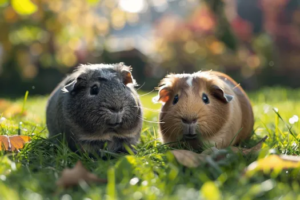
How to Choose the Right Chinchilla Food
Choose chinchilla pellets by checking the ingredients (16–20% plant protein, at least 18% fiber, 2–5% fat), picking reputable brands, verifying freshness, and matching the formula to your pet's age and health. Transition to new food gradually and supplement with hay for fiber and dental wear.

Why Is My Chinchilla Drooling?
Chinchilla drooling is usually a sign of mouth disease—stomatitis, gingivitis, ulcers, or misaligned teeth—and can also bring bad breath, pain, and appetite loss. For mild gum inflammation use a small-pet oral spray and a broad-spectrum antibiotic; for anything severe, or if digestion, stress, or the nervous system is involved, see a vet to find the exact cause.