Search Results
309 results for “tear stains”

How to Tell If a Cat Food Suits Your Cat
No food is 'best' — only 'right for your cat.' Watch appetite (boredom-eaters and frenzied gobblers both signal issues), stool (mild softness in week one is normal; past two weeks, or with vomiting and a sour smell, it's wrong), weight (too thin or over 10% gain), coat (dry, extra shedding), and signs like eye discharge, tears, bad breath, or chin acne. Try sample sizes first and switch over 7 days.

What Are the Common Eye Diseases in Dogs?
Dogs can develop several common eye problems, including conjunctivitis, keratitis, entropion, and cataracts, each with distinct signs such as redness, tearing, cloudiness, or a whitish discoloration. Some breeds are more prone to certain conditions, but daily eye checks and prompt cleaning of discharge go a long way toward prevention.

Do Cats Cry?
Cats do produce tears, but tearing is rarely from sadness—most often it's flat-face anatomy, eye disease, food, irritants, or smells. True emotional crying is rare. Wipe the eyes clean, rule out irritants or illness, and see a vet if tearing persists.

Does More Eye Discharge After Changing Dog Food Mean the Food Is Bad?
Extra eye discharge after switching dog food does not automatically mean the food is low quality — it can be a mild adjustment reaction, a food intolerance, or something unrelated like blocked tear ducts or an ear infection. Some foods are high in salt, and if your dog drinks little, this can cause 'inner heat' with more discharge, bad breath, and dry stool. Rule out the food by checking the label, watching overall health, and if discharge is thick, colored, or lasts over a week, see a vet.

What Causes Cat Dacryocystitis (and How It’s Treated)
Cat dacryocystitis (inflammation of the tear ducts/sac) can stem from genetics, facial structure, environment, or eye disease. Flat-faced breeds like Persians and Exotic Shorthairs are prone to blocked ducts. Keep the eyes clean and the environment dust-free to prevent it. Treatment targets the cause: gentle cleaning and vet-guided drops (antibiotics, anti-inflammatories, lubricants), surgery for severe cases to clear the sac, and a clean, humidified home to ease symptoms.

How to Tell If Your Dog Has an Eye Problem
Eye trouble shows as constant cloudy tears, hardened gunk, rubbing or bumping the eye, swollen or red lids, bulging (glaucoma), white clouding (cataracts), or entropion/ectropion. Clean with pet eye drops and wipes daily; correct lids and cornea with vet care. Flat-faced and loose-skinned breeds need extra caution.

How Much Should a Cat Eat Each Day?
Feeding style and portion size both matter. Free feeding suits a cat's natural graze-and-return instinct and saves effort, but risks overeating and stale food; timed, measured meals (ideally 3–4 times a day via an automatic feeder) make it easy to control intake and spot changes. To calculate portions, use the weight method for raw/fresh food and the calorie method for kibble: a 5 kg adult cat needing 70 kcal/kg takes about 87.5 g of a 400 kcal/100 g food. Kittens need the most energy per kg, adults less, and neutered cats least — but always adjust to your own cat's condition.
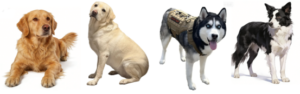
Popular Dog Breeds: Pros and Cons at a Glance
Choosing a dog means weighing temperament, exercise needs, grooming, and health risks against your lifestyle. From the gentle, trainable Golden and Lab to the stubborn, shedding Husky and Samoyed, and from compact Corgis and Pugs to tiny Bichons and Yorkies, every breed trades one challenge for another. There is no perfect dog—only the right match. Know the trade-offs before you commit.

Is Yellow Dog Urine Always a Sign of Internal Heat?
Yellow urine in dogs is not always from internal heat; it can also mean low water intake, liver trouble, or urinary tract issues, so judge by the actual cause. If it is simple internal heat, lighter meals and more water clear it up fast. Persisting yellow urine, especially with blood or painful urination, warrants a vet visit to check the liver or urinary system. Infections are usually bacterial and need veterinary antibiotics plus a urinary prescription diet and good hygiene.

Bichon Frise: Health and Care Considerations Before You Adopt
The Bichon Frise is a gentle, low-shedding companion dog, but prospective owners should know its common care needs: pronounced tear staining from shallow tear ducts, a coat that mats and pulls the skin, separation anxiety, a sensitive stomach, and dental issues. Meeting these needs keeps the dog healthy.