Search Results
71 results for “taurine”
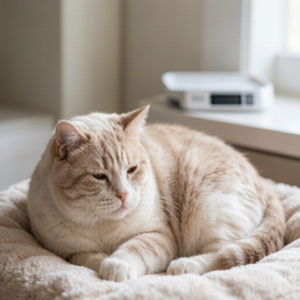
Can Obesity Cause Fatty Liver in Cats?
Overweight cats are at higher risk of fatty liver, because excess fat around the liver can move into it. Fat cats also more often have diabetes and pancreatitis, which can lead to fatty liver, and prolonged starvation is another common cause. Symptoms include anorexia, weight loss, vomiting, and jaundice, and severe cases can be fatal, so prevention matters.
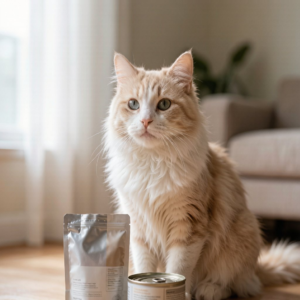
Dry or Wet Cat Food: Which Is Better? (Most Owners Pick Wrong)
Neither dry nor wet food is absolutely better; it depends on the cat. A healthy adult can follow a "dry in the morning, wet in the evening" rule, meeting nutrition and water needs while avoiding spoilage. Special cases, senior cats with poor teeth, 2-3 month kittens, and cats with urinary disease, should lean toward wet food. The catch: long-term wet feeding needs extra dental care. Dry food is convenient, cheap, and helps scrape teeth but is only ~5% moisture and calorie-dense, raising dehydration and obesity risk. Wet food is 70-80% moisture, tastier, and nutrient-rich but costs more, spoils fast, and leaves more residue on teeth.
CoQ10 for Pets: Why Adequate, Well-Absorbed Dosage Matters
Many owners dismiss pet CoQ10 as a gimmick, and with reason: an under-regulated market let weak products ship before they were ready, so finding a real, safe, high-potency supplement was hard. The science is sound, though. CoQ10 lives in the mitochondria, drives cellular energy, and neutralizes free radicals that damage the heart. Pets over about 5–7 years, obese animals, high-risk breeds, and those already diagnosed lose CoQ10 reserves fast, and diet alone barely replaces it—hence panting after a short walk, night coughs, or low energy. The key is adequate, well-absorbed dosage; micro-dosing is only comfort. This article explains who needs CoQ10, what “real” formulation looks like (transparent content, third-party testing, yeast-derived sourcing, combined heart–lung nutrients), and safe daily use.
Choosing a CoQ10 Supplement for Your Pet’s Heart
Pets past about seven years old decline fast, and heart disease is among the highest-risk threats: mitral valve disease and dilated cardiomyopathy in dogs, hypertrophic cardiomyopathy in cats. Early signs—night coughing, panting, purple tongue, exercise intolerance—often mean Stage B2 or C, so the B1–B2 window is the time to act. Alongside prescribed medication, many veterinarians suggest a pet CoQ10 supplement for energy and antioxidant protection. But with crowded shelves, how do you choose? This guide explains what a quality formula should deliver: transparent, well-absorbed dosage; a heart–lung–vessel support blend (rhodiola, krill, astaxanthin, taurine, vitamins, grape powder, folate); palatability and safety for long-term use; and which pets benefit most.
CoQ10 for Dogs: What to Look for in a Quality Supplement
As pets age, heart conditions such as mitral valve degeneration, myocardial hypertrophy, and dilated cardiomyopathy are a growing concern for dog owners. Once a dog shows frequent coughing, labored breathing, or bluish mucous membranes, the damage is often advanced—so veterinarians commonly recommend CoQ10 as a supportive supplement alongside medication. But supplement quality varies widely, and some products advertise “high potency” while containing almost none. This guide explains how CoQ10 supports the canine heart, the three criteria that separate a real product from a worthless one (transparent content, third-party testing, clinical evidence), and what a sensible daily regimen looks like—always as an adjunct to, never a replacement for, prescribed heart medication.
CoQ10 for Senior Pets with Early Heart Enlargement: What Owners Should Know
Cardiac enlargement in senior dogs and cats is not a single disease but a compensatory change—thickened heart muscle—that often appears with valve disease or cardiomyopathy. Under the ACVIM system, Stage B (split into B1 and B2) means structural changes are visible on X-ray or exam, yet the pet shows no obvious heart-failure signs, making it the ideal window for early support. CoQ10, a fat-soluble compound naturally made in heart cells, powers mitochondrial energy production and shields tissue from oxidative damage. Because endogenous CoQ10 falls sharply with age, supplementation is one of the most studied, low-cost veterinary adjuncts for cardiac care. This article explains Stage B heart enlargement, why CoQ10 helps, how to choose a transparently labeled pet-specific supplement, and the daily diet, exercise, and recheck habits that protect an aging heart.
Can Cats Eat a Vegetarian Diet Long-Term?
A long-term vegetarian diet is not safe for cats and can seriously harm their health. Cats are obligate carnivores whose digestive systems are built to process meat, and they need nutrients—above all taurine—that only animal protein supplies. Without meat, cats develop nutritional imbalances, poor coats, weak immunity, diarrhea, and vomiting, plus shortages of vitamin A, D, calcium, and phosphorus that hurt vision and bones. For your cat's health, feed a science-based diet with enough animal protein.
Foods You Should Never Feed Your Cat
Cat food is the safer choice over table scraps because it is balanced for a cat's needs, while homemade meals are hard to get nutritionally right. Some human foods are downright dangerous for cats. Allium vegetables - onion, scallion, garlic, leek - cause vomiting, diarrhea, anemia, and bloody urine, and the toxins survive cooking; avocado brings similar dangers and can be fatal. Chocolate causes diarrhea and vomiting and, in quantity, sudden death. Raw eggs can trigger diarrhea, skin, and eye problems (cooked is fine); shellfish can cause skin disease; and dog food lacks taurine, so long-term feeding leads to taurine deficiency. Milk and fish are okay in small amounts, but go easy on high-magnesium dried seafood to avoid stones.
Why Cats Rarely Choke on Fish Bones
Cats do get caught by fish bones, but far less often than we might expect. Their tongue is covered with backward-facing papillae that act like little guards, stripping meat from bones and spitting out most spines; any small bones they swallow are smoothed and swallowed with the meat. The cat esophagus also has muscles for easy regurgitation, letting it vomit stubborn bones back up - and even carry food to kittens. Cats love fish because the ammonia smell from protein metabolism attracts them, and fish taurine supports the night vision they need as nocturnal hunters.

Why Does My Cat Have Uneven Eye Size?
A cat with one eye larger than the other is common and can be genetic, but if it appears later it usually points to irritation, inflammation, feline herpes, injury, or heat. The right response depends on the cause, so judge by the situation. If a foreign object is the culprit, gently clearing it often restores the eye quickly. Eyelid inversion may need surgery, so see a veterinarian. Other causes include eye disease such as conjunctivitis or keratitis, feline rhinotracheitis with discharge and sneezing, trauma, and diet-related heat that responds to lighter food and more water.