Search Results
105 results for “taurine for cats”

Can Cats Eat a Vegetarian Diet Long-Term?
A long-term vegetarian diet is not safe for cats and can seriously harm their health. Cats are obligate carnivores whose digestive systems are built to process meat, and they need nutrients—above all taurine—that only animal protein supplies. Without meat, cats develop nutritional imbalances, poor coats, weak immunity, diarrhea, and vomiting, plus shortages of vitamin A, D, calcium, and phosphorus that hurt vision and bones. For your cat's health, feed a science-based diet with enough animal protein.

What Happens When a Cat Lacks Taurine?
Taurine is a nutrient cats cannot make on their own—they must get it from food, so a shortfall quickly harms health. It is vital for eyes and heart: deficiency degenerates the retina and causes irreversible blindness, and it is a leading cause of dilated cardiomyopathy, which improves if caught early but worsens without it. Taurine also powers metabolism and immunity, aids digestion by boosting stomach acid and protein absorption, and supports reproduction—a deficient pregnant cat risks weak, slow-growing, high-mortality kittens. Because cats can't synthesize it, feed taurine-rich foods like organ meat, muscle, and some seafood.

Why Cats Rarely Choke on Fish Bones
Cats do get caught by fish bones, but far less often than we might expect. Their tongue is covered with backward-facing papillae that act like little guards, stripping meat from bones and spitting out most spines; any small bones they swallow are smoothed and swallowed with the meat. The cat esophagus also has muscles for easy regurgitation, letting it vomit stubborn bones back up - and even carry food to kittens. Cats love fish because the ammonia smell from protein metabolism attracts them, and fish taurine supports the night vision they need as nocturnal hunters.

Recipe: Boiled Chicken Breast for Cats
Boiled chicken breast is the simplest, safest cat meal to start with — most cats accept it readily and there is almost no risk. Gently simmer the breast for 10 to 15 minutes until fully cooked, cool it, then shred it by hand. You can mix in your cat's usual taurine or vitamins, or serve it plain. It is ideal for first-time cat-meal makers and cats new to meat, but on its own it is a supplement, not a complete staple diet.

CoQ10 for Senior Cats with Heart Concerns: A Buying Checklist
The heart is the body's highest-energy organ and holds a large share of a cat's CoQ10, so as production falls with age or hereditary risk, supplementation can support heart-muscle energy and act as an antioxidant. This checklist explains why senior and high-risk cats are the ones most likely to benefit, the five points to verify before buying, and the safety limits every owner should respect.

CoQ10 for Cats: Supporting Heart Health
CoQ10 is often called a source of heart vitality: it energizes cells, supports immunity, improves heart function, and boosts antioxidant defense—benefits that grow more important as cats age and face rising heart-disease risk. Because it is naturally present in heart muscle, supplementation is a logical supportive step for senior or at-risk cats. The market is full of vague, over-priced products, so choose one with a clearly stated, independently verified content, a pure well-absorbed source, and sensible pairings such as taurine. Always confirm the product and dose with your veterinarian.

Dilated Cardiomyopathy in Dogs and Cats: Symptoms, Treatment, and Prevention
Dilated cardiomyopathy (DCM) is a heart-muscle disorder in which the ventricular chambers enlarge and weaken, leading to poor pumping, congestive heart failure, and arrhythmias. Large and middle-sized breeds are most at risk, and signs include weakness, coughing, abdominal swelling, and fainting.
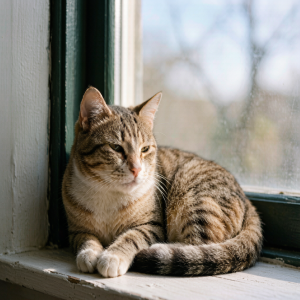
Can Cats Get the Plague?
Some people may wonder: cats eat mice, so won't they get the plague? The chance of a cat getting the plague is very low, but if a cat is bitten by a mouse, that is another matter. So what symptoms would a cat show if infected with the plague? Read on to learn more.

How to Feed Stray Cats
This is a guide to feeding strays, not a home-care plan — the aim is to meet a stray's minimum needs within your budget. The basics are simple: a labeled mainstream kibble, clean water, and never table scraps.

What Can Cats Eat?
A balanced cat food meets most daily needs, but many owners also offer home-cooked meals, treats, and the occasional safe fruit or vegetable. Knowing what's good — and the foods that are strictly off-limits — keeps a cat healthy.