Search Results
164 results for “tapeworms”

What to Do If Your Dog or Cat Has Tapeworms
Many species of tapeworms parasitize dogs and cats, and the adult worms seriously harm their health, while the larval stages often use livestock or humans as intermediate hosts, threatening both animals and people. Common species include Dipylidium caninum, Taenia spp., Echinococcus granulosus, Mesocestoides, Spirometra mansoni, and Diphyllobothrium. Infection causes intestinal inflammation, malnutrition, and in severe cases intestinal blockage, with signs like vomiting, diarrhea, weight loss, and odd behavior. Diagnosis relies on clinical signs plus fecal egg exams. Prevention means regular deworming, not feeding raw offal, and controlling fleas. Treatment uses praziquantel (5 mg/kg dogs, 2 mg/kg cats), arecoline hydrobromide, bunamidine, or fenbendazole under veterinary guidance. Because some tapeworms (like Echinococcus) also endanger human health, prompt and correct control matters.
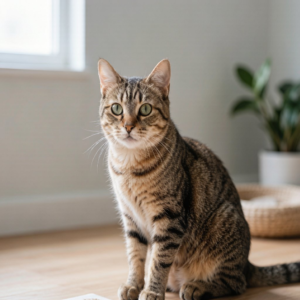
What to Do If Your Cat Has Tapeworms
Tapeworms cause belly discomfort, diarrhea, vomiting, weight loss, dull coat, and shedding; heavy infections shed visible segments near the anus, making the cat scoot or lick. Cats catch them by eating infected fleas, mice, or birds, through mother's milk, or from a contaminated environment. Treatment is a dewormer with praziquantel, fenbendazole, or albendazole plus probiotics, and strict flea control plus regular deworming prevents reinfection.
My cat still passed tapeworms after several deworming rounds — is frequent deworming safe?
Tapeworms are stubborn — if worms reappear after deworming, repeat the treatment and do another round two weeks later. Frequent dosing is fine during the treatment phase (not prevention). After recovery, a monthly schedule suffices; avoid raw water and raw meat.

How to Treat and Prevent Tapeworms in Cats and Dogs
Tapeworms spread mainly through fleas — a cat or dog swallows an infected flea while grooming. Regular external parasite control and a flea-free home are the real keys to keeping them away.

How Many Times a Day Should a Dog Poop?
Stool frequency and color reflect health — none for 1–2 days or over 4 times daily is abnormal. What is normal? Here is the detail.

Why Does a Kitten Keep Having Diarrhea?
Many causes - usually food or parasites - but constant diarrhea with poor appetite risks dehydration, so treat promptly. Here are the causes and fixes.

Why Does Your Cat Have Frequent Diarrhea?
Cat diarrhea has many causes: overeating or hard-to-digest food, gastritis/enteritis, parasites (roundworm, tapeworm, coccidia), congenital enzyme lack, tumors (hepatitis, pancreas), and vitamin/mineral deficiency or toxic plants like lilies.

How Much Should a 2-Month-Old Corgi Weigh? Corgi Weight Chart
A 2-month-old Corgi normally weighs about 5 jin (2.5 kg). Well-fed dogs may be overweight, and many are underweight. This article shares a Corgi weight chart by age and what to do if underweight.

What Causes Watery, Foul-Smelling Dog Stools with Blood?
When a dog has watery stools with a bloody, foul smell, diarrhea, or blood in the stool, many owners first fear infections like parvovirus or coronavirus. But not only infections cause watery stools. This article explains the possible causes of bloody, foul-smelling diarrhea in dogs.

Several Causes of Retching in Cats
Cats retch from hairballs, swallowed objects, dehydration, or intestinal parasites. See a vet for diagnosis and treatment, since a cat's stomach is easily damaged.