Search Results
72 results for “tail wagging”

Why Do Dogs Bark So Much?
Dogs bark to signal loneliness, territorial defense, separation anxiety, play, or discomfort. Curb it with calm 'quiet' commands and rewards, gradual alone-time training, and by meeting its needs before you leave — but rule out pain if the barking is sudden.

Adorable Ways Your Dog Shows Love
Want to know if your dog loves you? It's simple—if these signs appear, your dog deeply trusts and loves you hopelessly, especially one raised from puppyhood.

Signs That Your Dog Loves You
A dog is a human's best friend - a saying most people know. So when your dog shows these behaviors, it is actually telling you that it likes you a lot!

Can Dogs Dance?
Dogs respond to music through tail-wagging, not dancing. Discover what science says about dogs and music, and why some dogs seem to boogie.
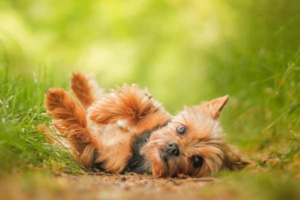
Why Is My Dog Panting Even When It Hasn’t Moved?
We all know dogs pant with their tongues out after hard exercise. But sometimes a dog pants constantly even without moving — is it just old age? That is one reason. Here are the main causes of frequent panting in dogs.
What makes a dog considered clingy or affectionate?
A clingy dog is strongly attached to its owner and follows them everywhere, showing anxiety, poor appetite, and low energy when separated for long. At home it seeks attention by licking, bringing toys, or barking, and greets you excitedly at the door.
How does a cat show happiness?
A happy cat is relaxed with a high, fast-wagging tail, bright soft eyes, and may rub on you with happy meows, then play and chase toys or invite interaction.
What are the symptoms of indigestion in a leopard tortoise?
Signs include constipation and stopped eating, with tail-wagging, writhing, struggling or squeaking. Long-term indigestion causes thinness and can hurt the liver. Avoid hard-to-digest or excess food and aid gut movement.

Miniature Schnauzerterrier
The Miniature Schnauzer, also called the Mini Schnauzer, originated in Bavaria, Germany, from the Standard Schnauzer crossed with small European, Pomeranian and Scottish Terrier breeds. Recognized in 1899, it was used for ratting and is now a friendly, easy-care family companion.

Curly-CoatedRetriever
The Curly-Coated Retriever, originally from Britain, takes its name from its curly coat. Independent and calm, it is never shy or self-absorbed. In the show ring it stands firmly and obediently; in the field it is enthusiastic, steady, and brave; at home it is calm and friendly. One of the oldest retrievers, it has remarkable scent and memory.