Search Results
101 results for “tail signals”
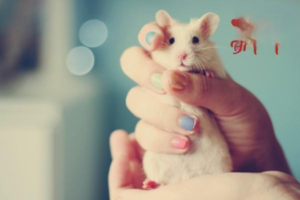
Caring for a Roborovski Hamster
The Roborovski (or 'father' dwarf hamster) is tiny and timid, so it needs a warm acrylic cage, a calm adjustment period, and a varied but careful diet — avoid loquat, peach and spicy food. Watch for cheek-pouch inflammation and clean the scent gland regularly.

What Your Dog’s Different Facial Expressions Mean
A dog's face shows its mood: ears up with a closed mouth means calm, ears forward with a slightly open mouth means curious, ears back and mouth open means affection, while ears back and mouth slightly open signals nervousness. Ears forward with a C-shaped open mouth is a pre-attack warning, and flattened ears with bared teeth mean fear and a readiness to bite.
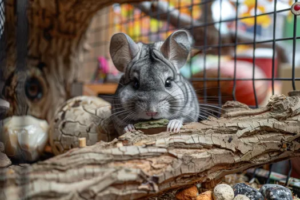
Where Do Chinchillas Like to Be Petted?
Chinchillas enjoy being stroked on the sides of the neck, the back, and the top of the head - spots where they feel your warmth and care. But be gentle, use a light touch, and reach from the front so they know your intent (a hand from behind startles them). Build trust with favorite foods and toys.

What Are the Signs of an Unhappy Rabbit?
An unhappy rabbit may show reduced appetite, destructive behavior, less activity, and more aggression. Causes include too little food or being ignored - a hungry or neglected rabbit gets upset. Respond to the cause to ease its negative mood.

Can Dogs Have a Cleanliness Obsession?
Some dogs show a near-obsessive need for cleanliness—excessive self-grooming, refusing dirty spots or a smelly bed, even enjoying baths. It can be genetic or stem from anxiety, stress, or past trauma. Keep the body and environment clean (without over-bathing), train and socialize for confidence, and seek a vet or behaviorist if it disrupts life.
Why Is Your Dog Scooting (Dragging Its Bottom) on the Floor?
A dog dragging its bottom usually means anal itching or pain — most often impacted or infected anal glands, intestinal parasites (tapeworms), perianal skin infection, or allergies. Signs like frequent licking, straining to defecate, or a red swollen anus point to anal-gland disease (express and apply an antibiotic ointment). White rice-like segments mean tapeworms (use a praziquantel dewormer). Rule out health causes before blaming boredom or anxiety.
Does a Cat’s Purring Always Mean It’s Happy?
Most purring does mean a relaxed, content cat, produced by vocal-cord vibration at 20–140 Hz. But cats also purr to self-soothe when stressed, anxious, or in pain (arthritis, illness, labor), and a fast, tense purr with flattened ears signals distress. If purring comes with appetite loss, odd litter-box habits, or lethargy, see a vet.
Why Does My New Puppy Keep Shaking?
A new puppy that shakes is usually just stressed or cold — it hides, curls up, ears back, tail tucked, and eats little for 1–3 days, then settles. A warm, quiet space helps; but if shaking comes with weakness, vomiting, or pale gums, see a vet for low sugar or infection.
How to Tell If Your Cat Is Happy at Home
A relaxed, content cat shows it in small ways: sleeping in odd poses, following you around, holding its tail high, the occasional mad dash, and kneading with its paws. Reading these signals helps you know your cat truly feels safe.

How Cats Show Affection to Their Owners
Cats express affection in subtle ways — purring, following you, head-butting, slow blinking, and bringing 'gifts.' Learning this body language helps you respond with love and build a stronger, trusting bond.