Search Results
101 results for “tail signals”

Why Does Your Dog Spin and Bite Its Tail?
A dog spinning to bite its tail may just be bored, but it can also signal an itchy tail, impacted anal glands, selenium deficiency, or self-mutilation syndrome. Check the tail and rear, express glands regularly, fix the diet, and see a vet if it injures itself.
What does it mean when a dog wags its tail?
Tail wagging usually signals friendliness, shown toward familiar people or favorite food. The speed and size of the wag also reflect the dog's condition: healthy dogs wag vigorously and broadly, while sick or low dogs wag weakly and slowly. But do not judge illness by this alone.
What Does It Mean When Your Cat Suddenly Swishes Its Tail Hard?
A tail held high with a gently swaying tip means a happy, content cat; a tip thumping the floor signals irritation — back off before it bites. The danger sign is a tail lashed low against the ground with a crouched body and pinned-back ears: that is an imminent attack, so retreat slowly and give space.

Why Is Your Dog’s Tail Tucked Between Its Legs?
A tail tucked down usually signals fear, nervousness, or discomfort. A slight tuck may mean mild unease or wariness of a stranger or possible danger; a tail pressed tightly under the body points to real fright or stress. It can also stem from illness or pain, including a tail injury. Watch the dog's posture and other signs—comfort an anxious dog, and if pain or other symptoms appear, see a veterinarian.

When Does a Dog Wag Its Tail Excessively?
Tail wagging is a dog's way of expressing feeling. Happiness, excitement, and greeting owner or stranger are common triggers, as are play, rewards, and curiosity about something new. The speed, posture, and rhythm carry different meanings—a loose, broad wag signals joy, while a stiff, high tail can be a warning. Learning to read the tail helps you respond to your dog's emotions correctly.
Does a Folded Tail Affect a Cat Much?
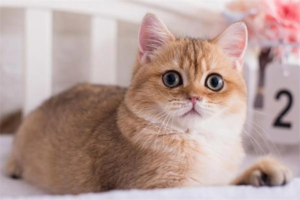
A folded (kinked) tail doesn't stop a cat from living normally, but it signals a genetic weakness—common in Siamese cats—that can mean a weaker constitution, poorer balance, and a shorter life. With careful care these cats live well and stay healthy, but because the trait is inherited and can pass on a frailer build, breeding folded-tail cats is generally discouraged. The tail is a balance organ, so affected cats are less steady jumpers. Tell a folded tail apart from a short tail: Japanese, American, and British Shorthairs are short-tailed by breed, not defect, and can breed normally. Support a folded-tail cat with good nutrition and warmth.
Reading Your Cat’s Mood Through Its Tail
Cats have far fewer facial muscles than dogs or people, so they look 'poker-faced' - attacks or escapes can seem to come from nowhere. But the tail is the open window to mood. A puffed, bristling tail means fear or threat; a tail tucked between the legs signals extreme fright and insecurity; a vertical tail with a hooked tip is a happy greeting; a high straight tail showing the rear is confident love; a gently swaying tail means 'I hear you'; and a tail lashing side to side is irritation, not joy like a dog's wag. Read the tail and you will understand the cat.

The Hidden Meanings in Your Cat’s Tail
A cat's tail is a rich mood telegraph. A tail held high and quivering while the cat rubs on you is pure trust and affection (it recalls mother cats stimulating kittens to eliminate). A still tail with a hooked tip means content and relaxed; an upward wag while weaving around you is begging like a dog; a low or tucked tail signals fear; a tail sweeping the floor means alert and about to act; a puffed, thrashing tail is a clear 'back off' before attack. When the tail is perfectly still, the cat trusts you most—like family.
What Your Cat’s Tail Is Telling You: A Guide to Tail Language
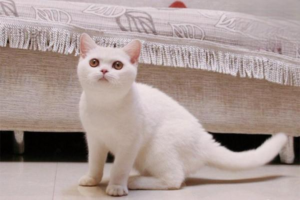
Cats are masters of the poker face, but their tails give everything away. A tail held high and slowly swaying is a happy greeting and a request for affection; a big, relaxed sway signals confidence and friendliness. A puffed-up tail with fast flicks means fear or rage and an imminent fight—keep your hands off and speak softly to defuse it. A tail tucked over the belly shows vulnerability (or, when they flop the belly toward you, deep trust), and a gently waving tail during a nap means light sleep. Reading these cues helps you respond to your cat's mood and avoid scratches.

What Different Dog Tail Positions Mean
A dog's tail communicates its state of mind: lowered means caution and testing, tucked means fear, a high wag can signal impending aggression, and a still tail shows curiosity. Always read the tail together with the dog's overall mood.