Search Results
809 results for “tail rot”

Why You Should Groom Your Dog Regularly
When you bring your dog out of the grooming salon, your pet usually looks refreshed, not only handsome and beautiful but also very energetic. Good regular grooming keeps your dog clean and comfortable all year round. Most groomers will recommend grooming your dog every 6 to 8 weeks, but the exact frequency may depend on the dog's breed, lifestyle, and your styling preferences for your pet. Knowing your options in advance can help you communicate better with the groomer and develop an effective grooming plan.

Common Gastrointestinal Diseases in Cats
Many diseases can affect the gastrointestinal (GI) tract. Symptoms such as vomiting or diarrhea are common in GI disorders. Regurgitation (the effortless expulsion of stomach fluid, mucus, and undigested food from the esophagus) is frequent in esophageal disease.

How Inflammatory Bowel Disease in Dogs Is Diagnosed
There are many causes of IBD in dogs, such as ordinary enteritis from improper diet, parasite-driven enteritis, and viral enteritis that generally needs antiviral treatment. This article explains the in-depth diagnostic workup used to confirm IBD.

Symptoms of Inflammatory Bowel Disease in Dogs
Canine IBD is a group of gastrointestinal diseases involving infiltration of inflammatory cells into the dog's gastrointestinal tract. IBD can affect the upper and lower digestive tracts and is the most common cause of chronic vomiting and diarrhea in dogs. The cause of IBD is not yet clear. This article covers its symptoms, diagnosis, and treatment.

Causes of Feline Phobias
Fear is a normal response to threatening stimuli, but when it becomes excessive and irrational it crosses into phobia. This article explains the possible triggers of feline phobias, how they develop through innate and learned pathways, the sensitive period of kitten socialization, and how to prevent fear from becoming a lifelong problem.

What to Do When Your Dog Is Limping
Lameness — reduced weight-bearing or movement in a limb — can range from mild to severe, affect one or more legs, and come and go. Causes span trauma to chronic arthritis. Here is how the vet evaluates and treats it.
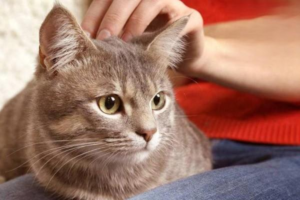
Cat Anatomy and Nutritional Requirements
A cat's body has nine notable parts (limbs, eyes, teeth, paw pads, nose, tongue, claws, whiskers, ears), and its diet needs core nutrients: protein, fat, carbohydrates, water, crude fiber, magnesium, calcium, phosphorus, and taurine. As obligate carnivores, cats need animal-source nutrition.

Intervertebral Disc Disease (IVDD) in Pets: Symptoms and Severity
Intervertebral disc disease (IVDD) is a leading cause of back pain and paralysis in dogs — especially long-backed breeds like Dachshunds. Learn what causes it, how to spot the signs, and the five grades of severity vets use to assess the condition.

What to Do If Your Dog Gets Frostbite
Frostbite damages tissue in the ears, tail, and paws when a dog is exposed to cold and wind. Symptoms may take days to appear. Move the dog to warmth and rewarm the area slowly, never with direct heat.

How to Know If Your Dog Likes You
Dogs show affection in many quiet and obvious ways, from watching your every move to greeting you at the door and comforting you when you are down. Learning to read these signals helps you understand just how much your dog loves you.