Search Results
435 results for “swollen eye”

What to Do If Your Cat Has Cryptococcosis
Cryptococcosis is an environmental fungus found in soil and air, and cats often catch it by inhaling spores that travel from the lungs to the rest of the body, or through wounded skin and the mouth. Pigeons are the most important carrier, so the fungus concentrates wherever birds roost, in attics, and among decaying leaves. Signs range from skin nodules and nasal discharge to nervous-system and eye problems. Diagnosis relies on microscopy, fungal culture, X-rays, and blood tests, and oral antifungals such as ketoconazole, itraconazole, and fluconazole are the main treatment. Starting therapy early and keeping it consistent gives the best chance of recovery.

Cat Upper Respiratory Infection: Symptoms and Treatment
A cat upper respiratory infection is inflammation of the mucous membranes of the upper airways. Affected cats typically cough, sneeze, and have a runny nose, sometimes with yellow nasal discharge, and a sudden drop in temperature, poor nutrition, or stress can trigger an outbreak. The usual culprits are viruses such as herpesvirus and calicivirus, bacteria such as Chlamydia, and fungi such as Cryptococcus. This article covers the common pathogens, how viral, bacterial, and fungal infections differ in their signs, what else can mimic these symptoms, and the supportive care and medications veterinarians rely on to treat them, from keeping the eyes and nose clear to antiviral, antibiotic, and antifungal therapy.

Two Ways to Protect Your Cat from Parasites
Parasites can pass from cats to people, so take them seriously. Spot them by symptoms like poor coat, pale gums, lethargy, and visible worms in stool or around the anus, and by checking bedding. Prevent by keeping cats indoors, cleaning the home against fleas and ticks, feeding balanced food, and applying topical dewormer every three months, dropped on the skin not the fur.
Understanding Viral Cat Colds
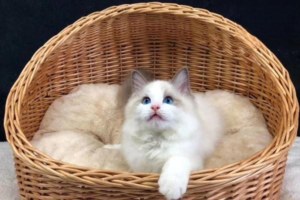
Most owners know the ordinary cat cold, but fewer know it can be viral. There are three main viral causes—feline herpesvirus, calicivirus, and chlamydia—and they are the most common triggers. Because symptoms overlap (fever, sneezing, runny nose, watery and inflamed eyes), tell them apart by a clue or two: herpesvirus may bring mouth inflammation; calicivirus often adds joint and mouth inflammation; chlamydia adds swollen lymph nodes. Prevention of herpesvirus is mainly vaccination (not 100% effective). Treat with antiviral therapy plus symptomatic care; bacterial colds from Mycoplasma or Bordetella also occur, so build the cat's general resistance. When unsure, see a vet for a confirmed diagnosis.

Can a Cat’s Cold Heal on Its Own?
Whether a cat's cold clears by itself depends largely on its own resistance and the virus's strength. A cat with good constitution can beat the virus and recover; a weak one may relapse and, in severe cases, die. Ordinary colds are rarely fatal, but serious viral colds are hard to cure and can be deadly. The common viral causes are herpesvirus (cat flu / upper-respiratory infection), calicivirus, and chlamydia—none heal by willpower alone and need targeted medication. Herpesvirus: fever, sneeze, runny nose, eye inflammation, possible mouth ulcers; calicivirus: also joint and mouth inflammation; chlamydia: also swollen lymph nodes. When unsure, see a vet for a confirmed diagnosis.
Cat Scratch Disease: A Zoonosis You Should Know
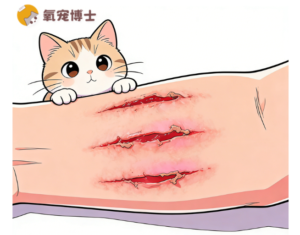
Cat scratch disease is a bacterial infection from Bartonella henselae, passed mainly by a cat's scratch or bite. Cats carry it without symptoms, but people can develop a red bump, swollen lymph nodes, and fever. Most cases are mild and self-limiting, yet antibiotics help when symptoms are strong. Wash any scratch well, and see a doctor if signs appear—especially for children and the immunocompromised.

Why Is Your Dog Suddenly Drooling a Lot? 4 Causes to Watch
Dogs pant to cool off, so some drool on a hot day is normal. But sudden, heavy salivation in normal temperatures can signal trouble. The causes worth flagging are oral disease, poisoning, heatstroke, and neurological problems, with severe kidney or liver disease and even rabies as grave possibilities. Teething, car sickness, or excitement explain milder cases. When drooling pairs with collapsing, seizures, or suspected toxin exposure, head to the vet at once.

Can Dogs Be Allergic to Their Own Kibble?
Dogs can be allergic to kibble, and it is not rare; the usual trigger is grain. Descended from wolves, dogs are built to digest protein and fat, so too much wheat, rice, or corn can cause poor digestion and allergy, and tolerance varies by individual. Signs include hair loss, red itchy skin, spots, restlessness, breathing trouble, runny eyes and nose, swollen paws, and gut upset like vomiting or diarrhea. If your dog is allergy-prone, choose grain-free food and introduce any new food in small test amounts first.

Pike Cichlid
The pike cichlid is native to the Amazon River basin in South America. It is greenish-cyan with a pointed head and a short but long dorsal fin, and its aggressive temperament means it must never be kept with small ornamental fish.

Firemouth Cichlid
The Firemouth Cichlid's greatest feature is that sexing is very difficult, yet it is a distinctive variety. Native to Mexico in North America, it is large, reaching 10–15 cm as an adult.