Search Results
435 results for “swollen eye”
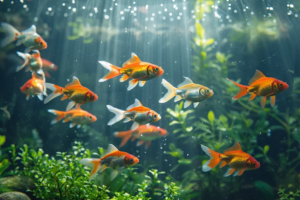
Symptoms and Treatment of Arowana Pinecone Disease
Arowana pinecone disease (raised scales), also called 'arowana cold,' is often triggered by large temperature swings during seasonal changes. Early signs are darkening, rough skin, and scales protruding outward; severe cases show swollen scale sacs with bloody fluid and ascites. Treatment starts with raising the temperature 1–2°C, adding salt (0.6–1%), and partial water changes; medication is added if no improvement.

Treatment Plan for Turtle Enteritis
Turtle enteritis comes in chronic and acute forms; chronic cases are mild and easier to manage, while acute enteritis can kill turtles en masse within a short time and is highly contagious through the air. Management means isolating and disinfecting sick turtles, and treating with gentamicin/chloramphenicol injections or oral oxytetracycline/berberine, with prevention favored over cure.

Common Chinchilla Ear Diseases and Daily Ear Care
Chinchilla ears are delicate and prone to injury (extreme temperatures, fights — look for peeling, blackening, red swollen bites) and infection, especially ear mites (head-shaking, scratching, hair loss, sometimes eye inflammation). Deep wounds may need vet stitches and antibiotics. For care, a mineral-oil cotton ball wipes the ears; seek a vet for heavy buildup. Provide dust sand and check ears regularly.

A Beginner’s Guide to Choosing a Chinchilla
Chinchillas are easy, cute pets, but pick a healthy, well-tempered one to avoid later trouble. This guide covers health checks, good conformation, temperament, and the best age to bring one home.

How to Treat Dog Keratitis
Dog keratitis shows as discharge and red conjunctiva and worsens without prompt care. It splits into acute, chronic, and purulent forms; treat with chloramphenicol or warm/cold compresses, flush acute cases with boric acid or rivanol, and address the root cause (distemper, chlamydia, allergy, chemical burn).

Common Guinea Pig Diseases and Treatments
Guinea pigs are cute and gentle, but they still need disease prevention to stay healthy and live longer. Here are the common guinea pig illnesses and how to treat them.

Cat Sinusitis: Causes, Symptoms, and Treatment
Cat sinusitis is common, usually from bacteria, viruses, fungi, or irritants, causing sneezing, nasal discharge, congestion, breathing trouble, snoring, red watery eyes, poor appetite, and lethargy. Severe cases show blood-tinged, foul-smelling discharge and may lead to brain complications. Treatment depends on cause and severity: bacterial cases need antibiotics, viral cases antivirals, plus nasal flushing and a cleaner environment.

How to Prevent Skin Disease in Shih Tzu Bear Hamsters
The Shih Tzu bear hamster has long, beautiful fur but is prone to skin disease. Causes include wrong bedding (wood shavings, paper pellets) that mats the coat, and urine left on the fur causing hair loss and sores. Treat by clipping and cleaning the spot, then applying an antifungal or antibacterial medicine with an Elizabethan collar. Prevent it with a roomy, dry, cool cage, cat-litter or tissue bedding, litter training, and regular sand baths.
How can you tell if a cat is healthy?
A healthy cat is active, bright-eyed, responsive and eager to eat. Check the face and mouth for excess eye discharge, smelly ears, pale gums, bad breath or dry hot nose. The stool should be formed, with no soft stool, blood or dirty, swollen anus.
What does a dog in heat look like?
Males show swollen genitals, marking, night howling, restlessness, and mounting; females have swollen genitals, slight bleeding, and behavior changes. Secure doors and use a leash outdoors.