Search Results
435 results for “swollen eye”
What causes eye inflammation in cats?
Cat eye inflammation can come from scratches, feline herpesvirus, and more. Use an Elizabethan collar and see a vet; antibiotic ointments help scratches, while viral conjunctivitis needs antiviral treatment.
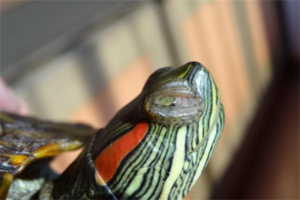
What Are the Symptoms of Turtle White-Eye Disease?
Turtle white-eye disease is a bacterial infection: early signs are a red, whitening nictitating membrane with discharge, worsening to swollen, stuck-shut eyelids and a cloudy cornea, often with lost appetite. Treat with gentle cleaning plus antibiotic eye drops and ointment (and oral antibiotics for severe cases), warm the habitat, and keep water clean to prevent it.
Why does my cat have discharge from one eye?
Increased eye discharge and trouble opening the eye may be from a foreign body (hair, insects, pollen, dust) irritating the conjunctiva, causing tearing; rinse with saline and use neomycin sulfate drops. Infection can cause conjunctivitis or keratitis; clean daily and see a vet for blocked tear ducts or entropion.
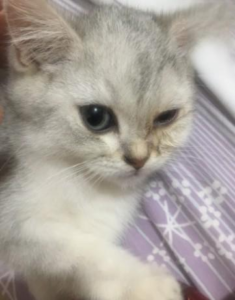
Cat Eye Swelling and Tearing: A Recovery Case
A cat with one swollen, tearing, discharging eye—but no sneezing or runny nose—most likely has a bacterial conjunctivitis rather than a viral one. Ingrown eyelashes or a foreign body can be the trigger. Oral amoxicillin plus antibiotic eye drops, an E-collar, and a dim, clean environment brought clear improvement in a few days. An ingrown lash, though, needs a vet to remove.

Symptoms and Treatment of One-Eye Cold in Parrots
One-eye cold is a common contagious eye condition in parrots, marked by swollen conjunctiva, watery discharge, lethargy, reduced appetite, and weakness, with respiratory signs in severe cases. If you notice these symptoms, take them seriously and treat promptly. Care begins with isolating the sick bird and disinfecting the cage, then gently cleaning the eye and applying bird-specific drops such as bird-specific eye drops or human erythromycin ointment—treating both eyes even if only one is infected. Serious cases need antibiotics under a vet's guidance. Daily hygiene, clean food and water, and regular check-ups are the best prevention.
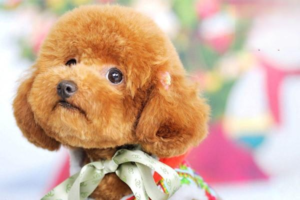
Why Dogs Get Tear Stains and Dirty Fur Around the Eyes
Dog eyes connect to the nose, so when the nasolacrimal duct is blocked or swollen by inflammation, tears cannot drain or evaporate and spill out. Tear stains form when tears and other eye discharge sit uncleaned on the fur and oxidize into dark marks - most visible on light-colored coats. Causes split into innate (flat-faced breeds like Pugs, Bulldogs, Exotic and Persian cats have tight ducts), disease (ear infection, entropion, dacryoadenitis, conjunctivitis), and habits (salty food, overlong fur poking the eye). Clean gently with a boric-acid cotton ball or cool water from the inner corner outward, then apply eye drops; genetic stains need patient, regular care.

Common Cat Eyelid Diseases and How They Are Treated
Cats are relatively less prone to eyelid problems than some other pets, but when an eyelid condition does appear it can affect both eye health and overall comfort. The eyelid is built from four layers (conjunctiva, tarsus, muscle, and skin) and carries the glands that keep the tear film healthy. Knowing the common disorders and how they are managed helps you spot trouble early.
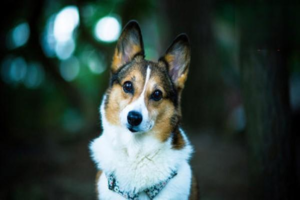
How to Tell If Your Dog Has an Eye Problem
Eye trouble shows as constant cloudy tears, hardened gunk, rubbing or bumping the eye, swollen or red lids, bulging (glaucoma), white clouding (cataracts), or entropion/ectropion. Clean with pet eye drops and wipes daily; correct lids and cornea with vet care. Flat-faced and loose-skinned breeds need extra caution.
Why is my cat tearing up or have watery eyes?
Causes: irritants, eye disease, odors, allergies, respiratory infection. Flush debris with saline; red or swollen eyes need a vet.

Why Are Your Cat’s Eyes Red?
Red eyes in cats have many causes, including injury, foreign objects, ingrown lashes, keratitis, corneal damage, and new corneal blood vessels, each needing different care. If you see redness, check for debris and rinse with saline, then use a pet eye drop; if redness comes with other signs, see a vet. Conjunctival congestion from conjunctivitis or corneal injury eases with decongestants, while deeper ciliary congestion from severe corneal damage, uveitis, glaucoma, or tumors needs diagnosis. Viral colds with eye redness also bring sneezing and discharge.