Search Results
324 results for “supportive care”
How long does canine parainfluenza need to be treated?
Mild canine parainfluenza usually recovers within one week, while more serious cases with complications may need more than two weeks of treatment. Treatment focuses on antiviral, antibacterial, and supportive immune care.
How long should interferon be given for canine distemper?
Interferon is usually given 3-7 days, based on the dog's condition. Pair it with antivirals, supportive and symptomatic care, and good nutrition to raise resistance; treat early.
Mother cat won’t eat or drink for days, slight yellowing of ears and gums — what’s wrong?
Slight yellowing of the mucous membranes with several days of not eating or drinking suggests jaundice, likely from liver disease such as fatty liver, cholangitis or FIP. Confirm with bilirubin tests and ultrasound, then treat supportively with liver protectants and fluids.
How long can a dog with mild poisoning survive?
A dog with mild poisoning can recover fully and live a normal life if treated promptly, with survival depending on the toxin and speed of care; many mild cases improve within days. Delay raises the risk.

What to Do If Your Dog Is Aloof or Unfriendly?
An aloof dog is often timid from poor socialization or bad past experiences and needs patience, gentle care, and positive training. Build trust with time, affection, and clear boundaries.
How Is Canine Parvovirus Treated?
Parvo treatment includes immune serum, fluid therapy, antibiotics, anti-vomiting, anti-shock care and supportive nursing. Early serum plus antibiotics works well, but avoid long-term antibiotic use. Vomiting and diarrhea require fluids to prevent dehydration.
Why Is My Dog’s Eye Turning Blue? Watch for These Diseases
A blue eye can mean infectious canine hepatitis ('blue eye'), corneal edema, or cataracts (often blue-white); in a 6–7-year-old senior whose vision seems fine, it may just be nuclear sclerosis from aging. Most eye diseases can't be judged by eye alone, so the right move is a vet visit — tonometry, slit-lamp, and fluorescein staining pin down the cause.

Causes and Treatment of Eyelid Entropion in Dogs
Eyelid entropion is a common eye problem in dogs, often caused by genetics and eye disease. The right treatment depends on how severe it is, and with proper care it can be controlled and managed. Mild cases are usually treated with medication, while severe entropion needs timely surgery. Keeping the eyes clean helps reduce the chance of entropion developing.

Can Canine Parvovirus Spread to Humans?
Canine parvovirus is a common, highly contagious dog disease that affects canids such as dogs, foxes, and wolves, but it does not infect people directly. Humans can still carry the virus on hands and clothing after touching an infected dog or its waste, spreading it to other dogs, so thorough disinfection matters. Parvo mainly attacks the gut and immune system, causing vomiting, bloody diarrhea, dehydration, fever, and weight loss, and is especially dangerous to puppies. Prevention through vaccination, isolation of sick dogs, prompt veterinary care, and thorough environmental cleaning is the best defense.
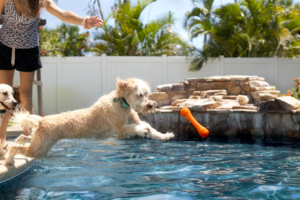
Can Swimming Help a Dog with a Luxating Patella?
A luxating patella—the kneecap slipping out of its groove—is common in small and toy breeds and can cause pain and limping. Swimming is often recommended by veterinarians as part of conservative care because water’s buoyancy supports the body and builds hind-leg muscle without loading the joint. However, swimming is therapy, not a cure: the condition is structural (loose ligaments, a shallow groove, or poor alignment) and cannot be reversed by exercise, medication, or massage. Whether swimming helps depends on the grade—mild cases benefit, while severe grades can be made worse. This article explains the condition, how water therapy fits in, which grades should swim and how, and the daily supports (fish oil, chondroitin, avoiding jumps) that protect the joint.