Search Results
14 results for “sulfadimidine”

Pet Vomiting (Part 3): Vomiting from Internal Parasites and Toxicity in Dogs and Cats
Internal parasites living in a dog or cat's gut irritate the intestinal lining and trigger vomiting, sometimes expelling visible worms. Food poisoning causes far more violent vomiting along with seizures and drooling, and demands immediate induced vomiting and gastric lavage. Routine deworming and keeping toxic foods — onions, grapes, chocolate, macadamia nuts — out of reach are the best defenses.

Precautions for Feeding Dogs Raw Meat
Although many pet meats and kibbles exist, some owners feed raw meat for its natural nutrition. Here are the cautions.

Dog Coccidiosis: Symptoms and Treatment
Coccidia of the Eimeria and Isospora families cause gastrointestinal disease in dogs, with bloody stool, anemia, weakness, and dehydration as the main signs. Here is how to treat coccidiosis.

Can a Cat’s Colitis Diarrhea Heal on Its Own?
In the early stage of chronic colitis, cats have repeated difficulty defecating and may appear to heal on their own for a while, but later develop soft stools, diarrhea, and blood in stool, which is usually difficult to heal on its own. So how should feline colitis diarrhea be treated if it cannot heal on its own? Today we explain in detail!
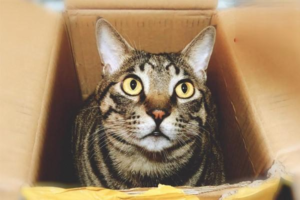
What Causes Bloody Stool From Cat Colitis
Bloody, foul cat stool usually means colitis—from diet change, foreign objects, bacteria, parasites (coccidia, Giardia), drugs, or allergies. Treatment pairs diet and probiotics with targeted antiparasitic, antiallergy, and antibiotic care.

How to Prevent and Treat Rabbit Toxoplasmosis
Rabbit toxoplasmosis is a serious parasitic disease best treated with sulfonamide drugs. This guide covers the clinical signs, the standard medication regimen, and the sanitation measures that prevent infection.
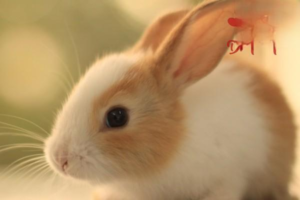
Rabbit Sialorrhea (Excessive Drooling): Causes and Treatment
Sialorrhea simply means a rabbit drools. Healthy rabbits don't drool, so drooling means illness. Here are the causes and treatments of rabbit sialorrhea.
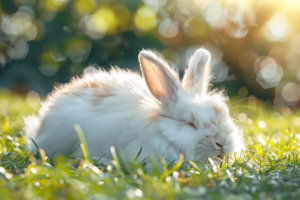
Infectious Stomatitis in Rabbits
Infectious stomatitis (also called 'salivation disease') is a contagious viral disease of rabbits, especially 1–3-month-old kits, often infecting a whole litter at once. It causes drooling, mouth blisters and ulcers, and can kill kits within a week without prompt treatment; isolation, topical antibiotics and good hygiene are key to control.
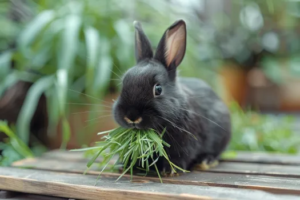
Causes and Symptoms of Stomatitis in Rabbits
Stomatitis in rabbits is an acute, highly contagious viral infection that mainly strikes 1–4-month-old kits and can be fatal within a week if untreated. It causes drooling, mouth blisters and ulcers, and loss of appetite, and is usually caught from contaminated feed or water entering through small mouth wounds.
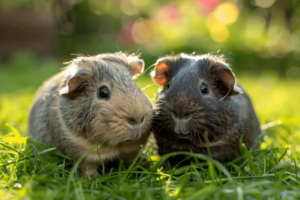
How to Treat Guinea Pig Colds, Bronchitis, and Pneumonia
Guinea pig colds, bronchitis, and pneumonia need different care. Colds take enrofloxacin or sulfadimidine; bronchitis needs higher-dose antibiotics plus an expectorant (carbetapentane or ammonium chloride); pneumonia is urgent — enrofloxacin plus Shuanghuanglian IV, aminophylline for breathing trouble, all at a vet. Isolate sick pigs and treat fast, as pneumonia can kill in 2–3 days.