Search Results
803 results for “sugar”
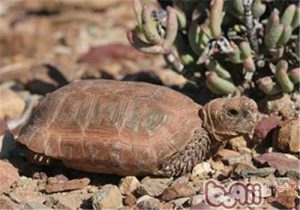
Boulenger’s Cape Tortoise
Boulenger's Cape Tortoise (Homopus boulengeri) is a rare and little-studied tortoise from South Africa's Karoo region, resembling the Speckled Cape Tortoise but slightly larger and reaching up to 13 cm. Few are kept in captivity, and conservation awareness for this species remains limited.
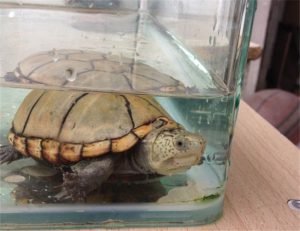
Kinosternon alamosae (Alamos Mud Turtle)
The Alamos mud turtle lives in aquatic-rich habitats and unique ponds, retreating into mud to aestivate during dry periods. In the wild it eats insects, small shrimp, and other invertebrates, and is a shy turtle that withdraws into its shell when threatened.
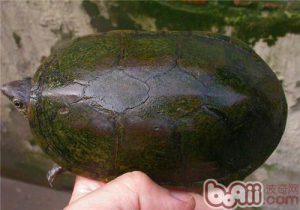
Oaxaca Mud Turtle
The Oaxaca Mud Turtle (Kinosternon oaxacae) is a type of mud turtle that aestivates in summer, burying itself in mud to cool down—hence its name. Living in slow-moving rivers, it hunts fish and shrimp in the water and is an omnivore that leans carnivorous.

Canine and Feline Pancreatic Tumors
Pancreatic tumors occur in older dogs and cats and can be benign or malignant; many spread widely, especially to the liver. Insulin-secreting tumors cause low blood sugar, while surgical removal offers the best chance when caught early.

Pruritus (Itching) in Dogs and Cats: Symptoms, Causes, and Relief
Pruritus is a symptom rather than a disease, signaling an underlying problem such as parasites, eczema, diabetes, endocrine imbalance, or nutritional deficiency. Lasting relief comes from treating the root cause, not just suppressing the itch.

Malabsorption Syndrome in Dogs and Cats
Malabsorption syndrome covers several diseases in which the small intestine cannot absorb nutrients. Pets lose weight despite a good appetite, pass fatty stools and may become anaemic; treatment targets the underlying cause and a special diet.

Diabetes Mellitus in Dogs and Cats
Diabetes mellitus in dogs and cats is a disorder of insulin deficiency or resistance that causes persistently high blood sugar. Classic signs are excessive drinking, eating, and urinating with weight loss, and treatment centers on diet, insulin or other glucose-lowering medication, and monitoring.

Glycogen Storage Disease in Dogs and Cats
Glycogen storage disease is an inherited metabolic disorder in which a congenital lack of glycogen-splitting enzymes lets glycogen accumulate in the liver, kidneys, and central nervous system. It causes persistent low blood sugar with weakness, seizures, and incontinence, and needs prompt veterinary care to avoid irreversible brain damage.

Functional Hypoglycemia in Hunting Dogs
Functional hypoglycemia in hunting dogs is a drop in blood sugar during intense, excitable hunting work, causing disorientation, wobbliness, and seizures. It is managed by stopping work, feeding, and better conditioning.

Transient Hypoglycemia in Puppies
Transient hypoglycemia is low blood sugar in young puppies, especially small breeds, from poor reserves or cold and hunger. It causes weakness, cries, and seizures, and is fixed by warming, feeding, and glucose.