Search Results
803 results for “sugar”

What to Do If Your Puppy Overeats
A puppy's digestive system is still immature, so overeating overloads the gut and can cause indigestion, vomiting, or diarrhea. If your puppy has eaten too much, stop feeding at once and let the food settle before offering small amounts again. Gentle exercise, like a short walk, aids digestion, and a light belly massage helps move things along. Pet-specific probiotics can rebalance the gut. Watch for vomiting, diarrhea, or abdominal pain—if these appear, see a veterinarian. Going forward, feed little and often, measure portions, choose quality food, skip human scraps, and keep mealtimes calm to prevent overeating in the first place.
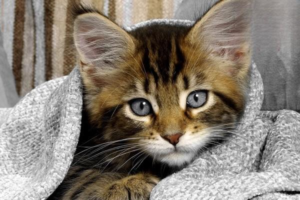
Why Is Your Cat a Picky Eater?
Picky eating often has a simple cause. A too-deep bowl blocks access; stale kibble loses its smell to a sensitive nose; an unwashed bowl grows microbes that ferment and repel the cat; or the cat simply dislikes the current flavor - some prefer fish, some chicken, and 'digging' at the bowl means try a higher-protein food. Signs: refusing kibble but loving treats, cans or meat; eating a bite then playing; if it ignores even favorite treats, suspect illness not pickiness. Long-term pickiness brings malnutrition, anemia and low blood sugar, so keep meals calm and switch to a palatable food when needed.

Summer Hazards for Cats
Summer is a rough season for cats. With poor sweating, they overheat fast - five minutes on hot asphalt, in a sealed space or on a sunny balcony can cause heatstroke: high temperature, fast pulse, panting, then dizziness, vomiting and coma. Move them to shade and cool with water or a fan, and rush to the vet if it does not ease. Warm weather also brings acute gastritis from spoiled food (limit water and feed easily digested fluids) and skin disease from fleas, mites and fungi - treat the cause and keep up prevention with cleaning and deworming.

Why Cats Become Picky Eaters and How to Fix It
A picky cat risks malnutrition, anemia, low blood sugar, and a weak immune system, so correcting it protects health. The fix is structure: controlled portions, few treats, a gradual mix-down to staple food, and timed meals that teach good habits. This guide covers the harm and the practical methods.

Causes and Prevention of Liver Disease in Cats
The liver is the body's largest metabolic and digestive organ, and in cats it is closely tied to the blood, digestion, tendons, and eyesight. Liver disease can arise from nutritional or endocrine disorders, infections, or poisons such as arsenic, mercury, chloroform, and aflatoxin. Early signs are usually digestive, like vomiting, poor appetite, and pale stools, while later stages bring muscle tremors and weakness. Management focuses on the right balance of energy, protein, fat, and carbohydrates, plenty of vitamins, and a light, easily digested diet or a prescription liver formula to support recovery.

What Happens When Dogs Eat Cheap Low-Quality Food Long Term
Cheap dog food of unknown origin can lack the nutrients a dog needs while carrying excess salt, sugar, and additives. Fed long term, it harms health in many ways: diarrhea, malnutrition, extra strain on the liver and kidneys, hair loss and dry skin, obesity, and dental decay. To protect your dog, choose a high-quality food with balanced nutrition, protein around 25 to 30 percent, fat 14 to 17 percent, and salt under 0.8 percent. Good food lists real meats by name, avoids artificial additives, and comes from a trusted brand.

Symptoms and Treatment of Fatty Liver in Dogs
Canine fatty liver is the build-up of fat in the liver from disrupted sugar and fat metabolism, showing as excess body fat, poor digestion, and easy fatigue. Causes are primary, from high-fat diet, low protein, starvation, or little exercise, or secondary, from hepatitis, diabetes, and other chronic disease. Signs include low spirit, poor appetite, occasional vomiting, and an enlarged liver. Diagnosis uses blood, biochemistry, and imaging; treatment is medicine plus a changed diet, regular meals, and exercise.

How to Care for a Red-Eared Slider (Brazilian Turtle)
Red-eared sliders, often called Brazilian turtles, are inexpensive and hardy, which makes them a popular first pet turtle. But like any reptile, they need the right setup to stay healthy. Provide a spacious aquarium or tub so the turtle can swim freely, keep the water between 20 and 30 degrees Celsius with a heater, and add a basking platform or dry land where it can climb out to warm up and rest. Without natural sunlight, use a UVB lamp to support calcium absorption and shell development. Change the water regularly and keep the substrate clean to prevent infection. Feed a balanced omnivorous diet of vegetables, fruit, insects, and quality pellets, with calcium and vitamin supplements. With consistent care, your turtle can thrive for years.

What Is Storage Disease in Dogs?
Storage disease is a hereditary metabolic disorder where certain substances build up abnormally in the body's tissues. The two most reported forms in veterinary medicine are lysosomal storage disease and glycogen storage disease. It strikes dogs and cats, is very rare, and appears early in puppies and kittens because it is inherited. Nerve-related signs include poor growth, ataxia, seizures, exercise intolerance, behavior changes, and vision loss. Diagnosis uses blood, urine, imaging, biopsy, and enzyme tests; care is supportive, and affected dogs should never be bred.

How to Care for a Roborovski Hamster
The Roborovski hamster is adaptable, gentle, and lively, but smaller, shyer, and oilier than other hamsters, so care needs a few tweaks. Pick a cage with narrow bar spacing and solid quality to stop escapes, bond slowly with gentle handling and treats, and keep the coat clean with a sand bath about once a week. Because they are tiny and skittish, patience and a quiet environment matter most. This article covers their traits and the practical care routine.