Search Results
175 results for “sudden death cat”
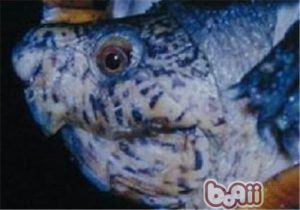
Kinosternon dunni
Kinosternon dunni, the Colombian Mud Turtle, is a semi-aquatic musk-turtle relative from Colombia's streams, mostly herbivorous and similar in looks to the narrow-bridged mud turtle. A prolific breeder, it benefits from a short, safe hibernation and a varied, plant-rich diet.
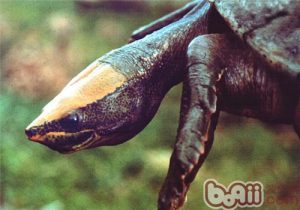
Central American River Turtle
The Central American River Turtle (Dermatemys mawii) is a large aquatic turtle, scarce in number and protected by local governments. It is a rarely seen aquatic species, the sole surviving member of the family Dermatemydidae, and an ancient reptile now found only in a small part of Mexico.

Dog Panting After a Few Steps? Don’t Ignore Heart Trouble
A dog that pants heavily or struggles to breathe after only a short walk may be signaling heart disease rather than mere old age or extra weight. Key warning signs include a sudden drop in stamina, labored breathing at rest, blue-tinged gums, nighttime coughing, and lethargy. Early veterinary diagnosis and daily heart-care management can dramatically slow progression and extend your dog's life.

Canine and Feline Splenic Tumors
Splenic tumors in dogs and cats may be primary or spread from other sites, and often stay silent until the spleen is already enlarged, causing bloating, pain, or anemia. Hemangiosarcoma can rupture and bleed dangerously, making prompt care essential.

Canine and Feline Globe Prolapse (Eye Protrusion)
Globe prolapse occurs when the eye is forced out of the socket, most often from fighting or blunt trauma and especially in short-nosed breeds. Prompt replacement offers the best chance of saving the eye; badly damaged or infected globes may require surgical removal.

When Your Dog Pants After a Short Walk: A Heart-Health Warning
Panting after brief exercise can be normal, but a formerly active dog that tires after a few steps, pants without exertion, coughs at night, or shows blue gums may have heart disease. Veterinary heart assessment and early care greatly slow progression.

Feline Hypertrophic Cardiomyopathy: Symptoms, Treatment, and Prevention
Feline hypertrophic cardiomyopathy (HCM) is a frequently inherited heart-muscle disease in which the ventricular walls thicken and filling is impaired. Many cats show no early signs, then suddenly develop breathing distress, weakness, or sudden death from stress or arterial obstruction.

Canine Hypertrophic Cardiomyopathy: Symptoms, Treatment, and Prevention
Canine hypertrophic cardiomyopathy (HCM) is a chronic, often inherited heart muscle disease in which the left ventricular wall and septum thicken, impairing the heart's ability to relax and fill. Many dogs show no signs until they develop breathing difficulty, fainting, or sudden collapse, so early cardiac screening is essential.

Canine Heartworm Disease (Dirofilariasis): Symptoms, Treatment, and Prevention
Heartworm disease is caused by Dirofilaria immitis, transmitted by mosquitoes, and lives in the heart and pulmonary arteries of dogs (and cats). It is preventable with monthly preventives; adult infections require careful veterinary treatment.

What Causes an Arowana to Become Startled?
Arowanas look fierce but are timid and startle easily—mild cases refuse food or jump, severe cases crash into the glass and risk death. Common triggers include poor tank placement, new environments, bullying tankmates, water changes, and pets or children. Identify the cause quickly and address it.