Search Results
4 results for “stud tail recurrence”
What Medicine Effectively Treats Stud Tail in Cats
Stud tail is treated with medicated shampoo plus topical antibacterial spray for mild cases; folliculitis or cellulitis need progesterone, chlorhexidine, and antibiotics. Neutering gives a complete cure and prevents recurrence.

What to Do When Your Cat’s Tail Is Damaged or Infected?
A damaged or rotting cat tail can stem from parasites, fungal or bacterial infection, hormonal imbalance, or weak immunity. Clip the fur, fit an Elizabethan collar, clean with saline and iodine, and see a vet for a skin scrape to identify the cause. Vitamin B and lecithin support healing.
What Is Stud Tail in Cats?
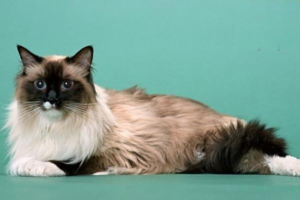
Stud tail is an overactive sebaceous gland at the base of the tail that pumps out too much oil, leaving a greasy, waxy buildup on the tail and the back of the hindquarters. Many cats feel nothing from it, but if bacteria, fungus, or yeast move in, it itches and can inflame. It is common in unneutered tomcats and breeds like Himalayans, Persians, Siamese, and Rexes. Mild cases clear with a benzoyl-peroxide shampoo; severe ones may need surgery. Neutering lowers the risk, and regular brushing helps.
Black Dots on Your Cat’s Skin: Folliculitis, or ‘Black Chin’ and ‘Stud Tail’
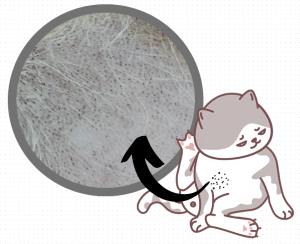
Black dots on a cat's skin are usually the early sign of folliculitis, like blackheads, driven by excess sebum, blocked follicles, and bacterial infection. On the chin it is called black chin, and on the tail stud tail or oily tail, both managed with gentle localized cleaning and diet adjustments.