Search Results
9 results for “stud tail medicine”
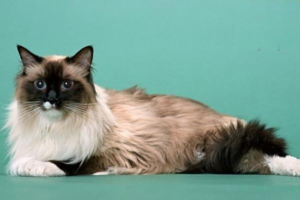
What Medicine Effectively Treats Stud Tail in Cats
Stud tail is treated with medicated shampoo plus topical antibacterial spray for mild cases; folliculitis or cellulitis need progesterone, chlorhexidine, and antibiotics. Neutering gives a complete cure and prevents recurrence.
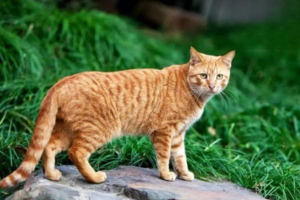
What Are the Symptoms of Stud Tail in Cats?
Stud tail looks like blackheads on a cat's tail base, with greasy matted fur and a foul waxy buildup, and can progress to infection. This article covers its causes, symptoms, and treatment plus prevention.
I am a boarding student and left my hamster with my parents. When I got home today I found my hamster suddenly like this—at first I thought its eyes were gone, but the eyes can still open a little and a cotton swab can’t wipe it off; runny diarrhea is stuck to its rear and its weight dropped a lot, visibly very thin and severe. How should I handle this?
Based on your description—eyes that will not open, increased discharge, diarrhea, and severe weight loss—your hamster may have a digestive disease, most seriously wet tail. This is often caused by poor care and an unclean environment that lets bacteria infect an immunocompromised hamster, and the disease can be fatal, so seek veterinary care promptly.

Cat Abnormal Bleeding: Diagnostic and Treatment Guide
Abnormal bleeding in cats needs a workup - history, CBC, biochemistry, urinalysis, X-rays, clotting studies, and more - to find the cause (infection, toxin, platelet disorder). Severe cases need IV fluids, transfusion, oxygen, and antibiotics.

Symptoms and Treatment of Chronic Colitis in Dogs
If your dog often has soft stools, excessive bowel movements, or has bloody stool and straining to defecate, then pay attention, the dog may have chronic colitis. Compared with gastroenteritis, you may be relatively unfamiliar with dog colitis. Today we specifically understand the symptoms and treatment of chronic colitis in dogs.

Why Does Your Cat Suddenly Dart Around the House?
When a cat suddenly tears around the house, pounces at empty air, or arches its back and puffs up, it is usually showing what veterinarians call Frenetic Random Activity Periods (FRAPS)—a normal behavior, especially in kittens and young cats. The triggers are mostly instinctual: a retained hunting drive, excess energy, stress, or heat in unspayed cats. Occasionally, frantic running signals a health problem such as hyperthyroidism, a neurological disorder, or a parasitic infection, particularly when paired with appetite loss, weight drop, or lethargy. Meeting the cat's exercise needs with toys and play, plus a calm, safe environment, keeps normal zoomies harmless and happy.

Why Does Your Dog Bite Your Pant Legs? (And What It Means)
When a dog grabs and tugs at your pant leg, it is rarely out of spite. Most often the dog is trying to get your attention, invite you to play, or signal a need such as an empty food bowl. The swaying fabric can also trigger an inherited prey drive, since a moving pant leg looks like something to chase. In some cases—especially when you pick up keys or put on shoes—it signals separation anxiety: studies show a large share of dogs chew scent-bearing items to soothe themselves when they sense you are leaving. The fix is consistency: ignore the behavior, reward calm following, offer chew toys, and meet the dog's exercise needs. Understanding the motive behind the bite is the first step to changing it, and learning your dog's other body-language cues helps you bond.

Safe Dog CoQ10: What the Research and Labels Tell You
CoQ10 appears in veterinary cardiac plans for mitral valve disease, dilated cardiomyopathy, and senior heart decline, and the research behind it is real — not a fad. A 2021 study found dogs with mitral valve disease in heart failure had significantly less heart-muscle CoQ10 than healthy dogs, and a 2022 randomized trial showed supplementation improved oxidative-stress and contraction markers with no adverse effects. The catch is that the benefit only appears when the product is safe, dog-appropriate, and correctly dosed. This guide explains how to read the label and the form.

Madagascan Big-headed Side-necked Turtle
The Madagascan Big-headed Side-necked Turtle (Erymnochelys madagascariensis) is the sole member of its genus, endemic to the rivers and lakes of Madagascar. Listed as critically endangered and heavily exploited for food, it remains rare in the pet trade and its captive care requirements are not yet fully established.